WHEN YOUR COMPETITORS ARE NOT OTHER AGENCIES, BUT GOOGLE AND COSTCO
A website for a Virginia-based travel agency, built around one question: why use a travel agent when you could just book it yourself?
Client

Services we provide
-
Headquarters
Manassas, Virginia, USA
-
Industry
Travel & Tourism
-
Website
-
Timelines
3 months
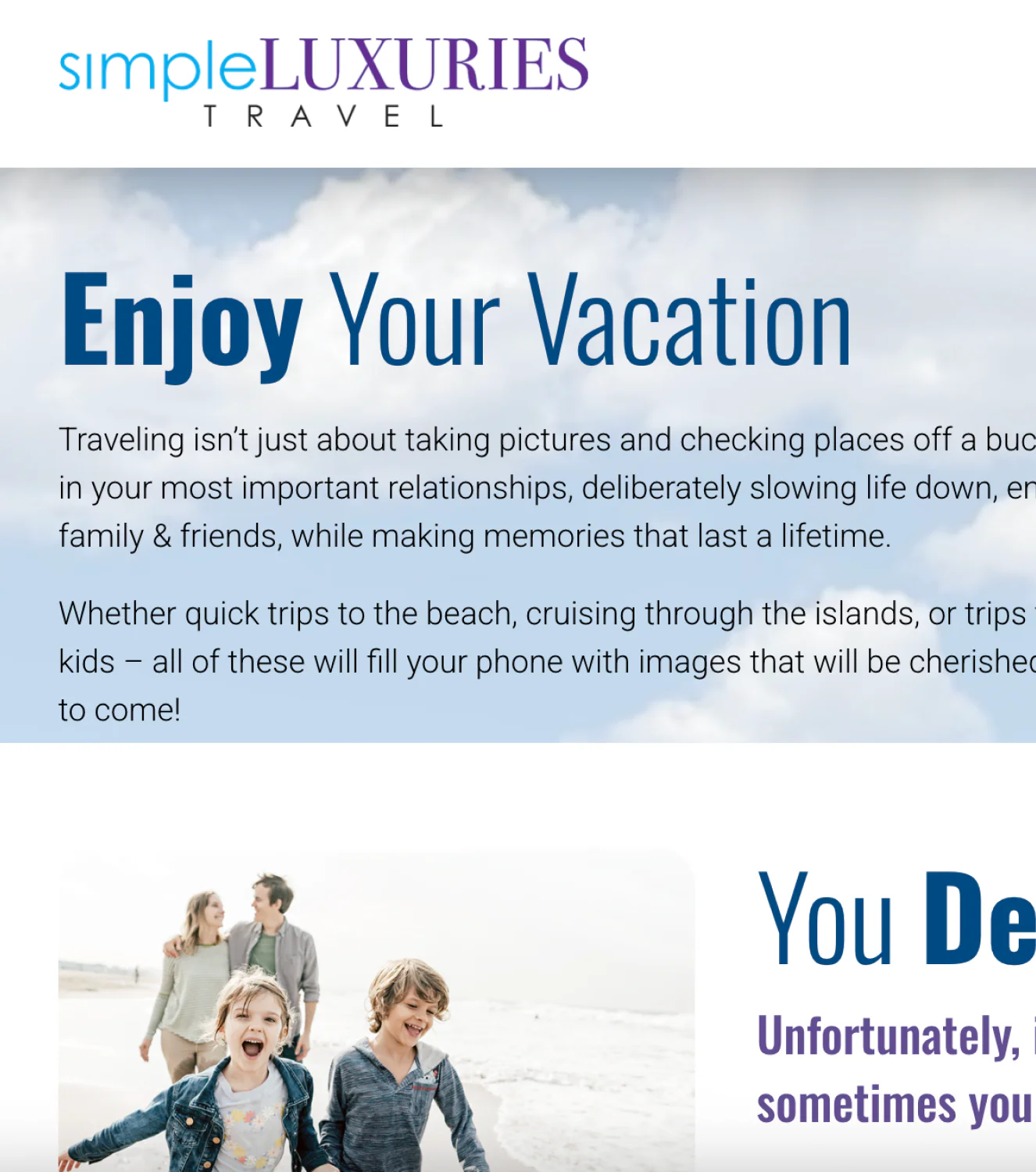
AN AGENCY THAT GREW WITHOUT A WEBSITE
Before
After
Drag
WHAT THE RESEARCH REVEALED
HOW WE CHANGED OUR APPROACH
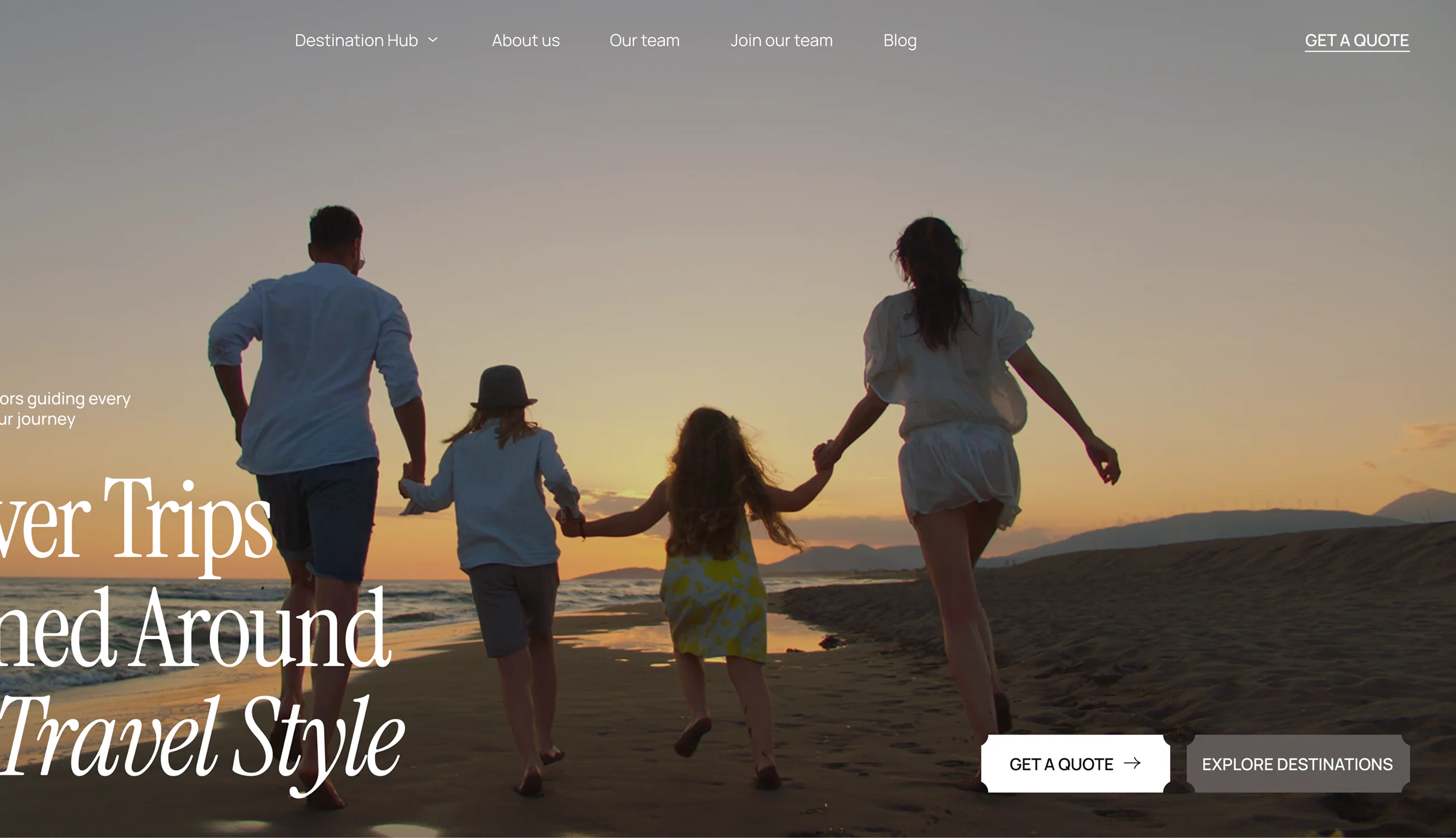
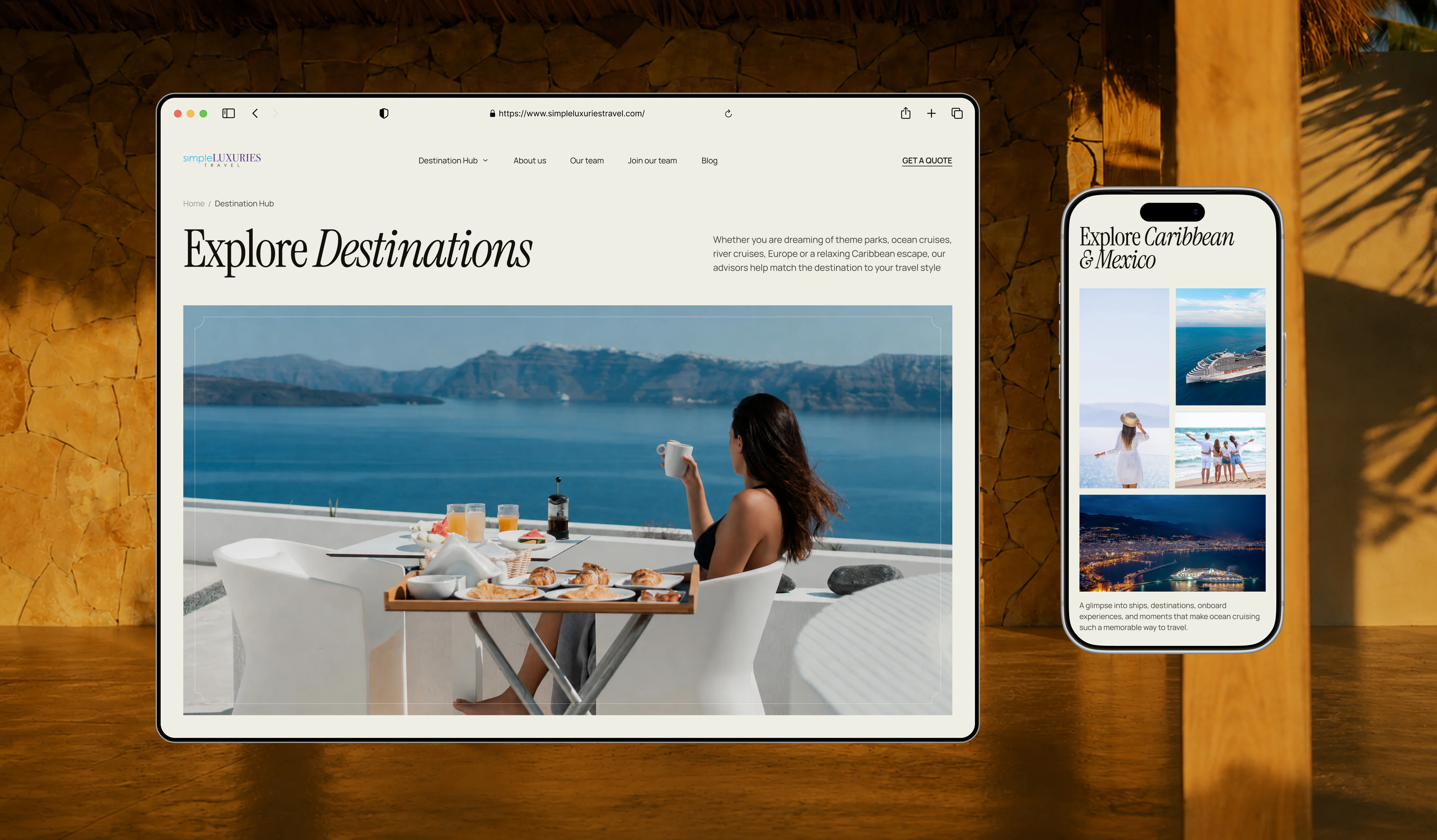
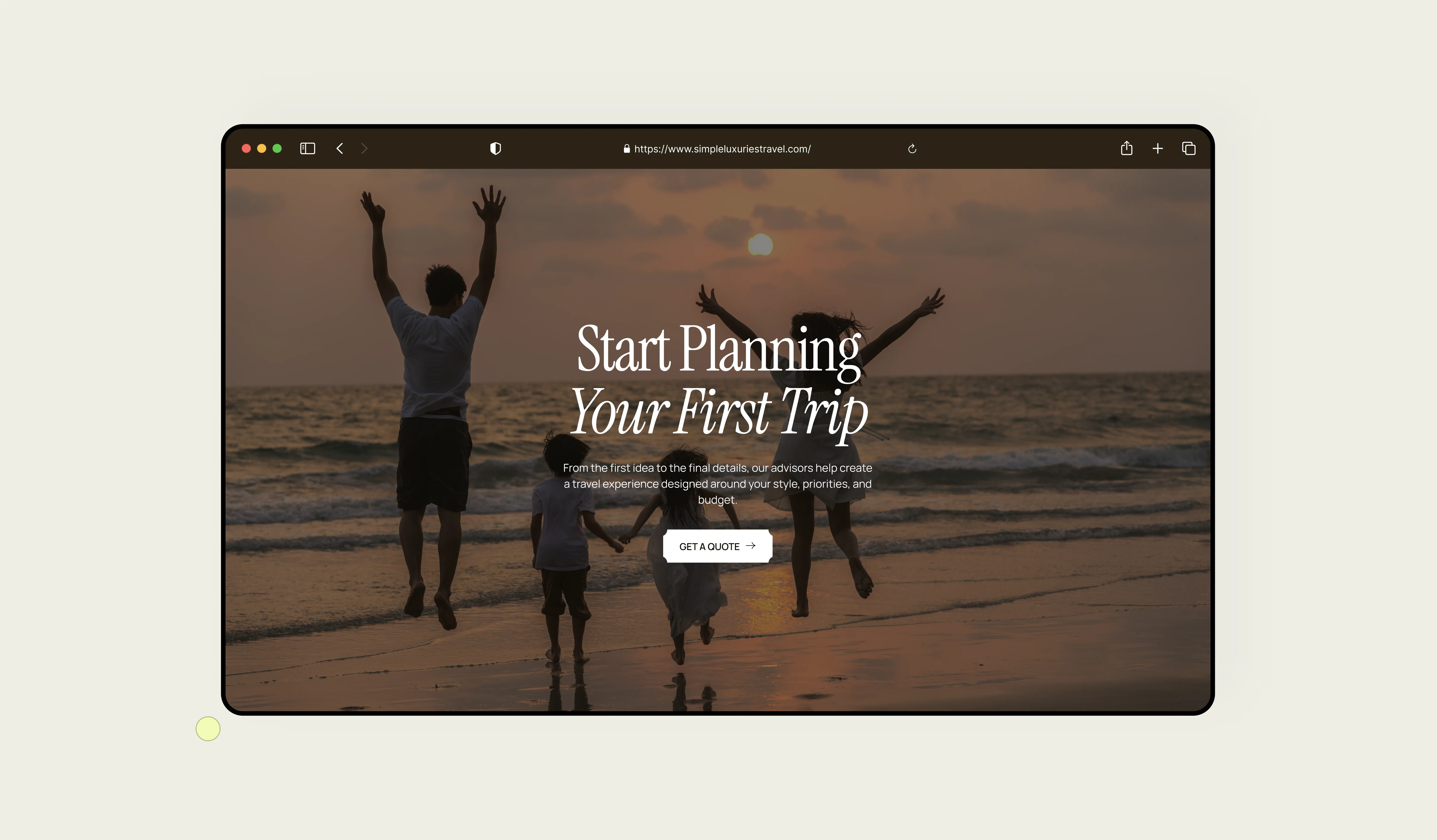
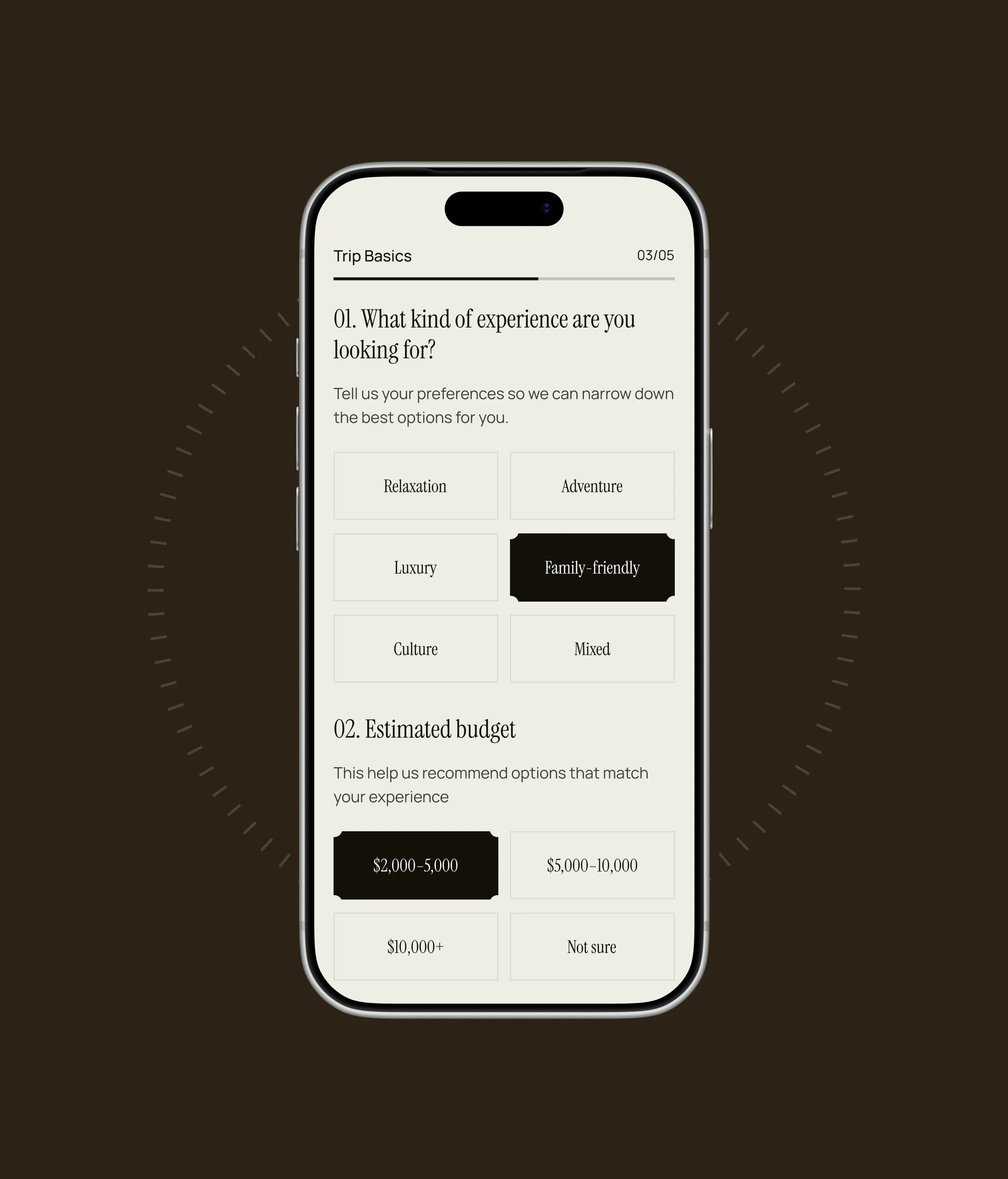
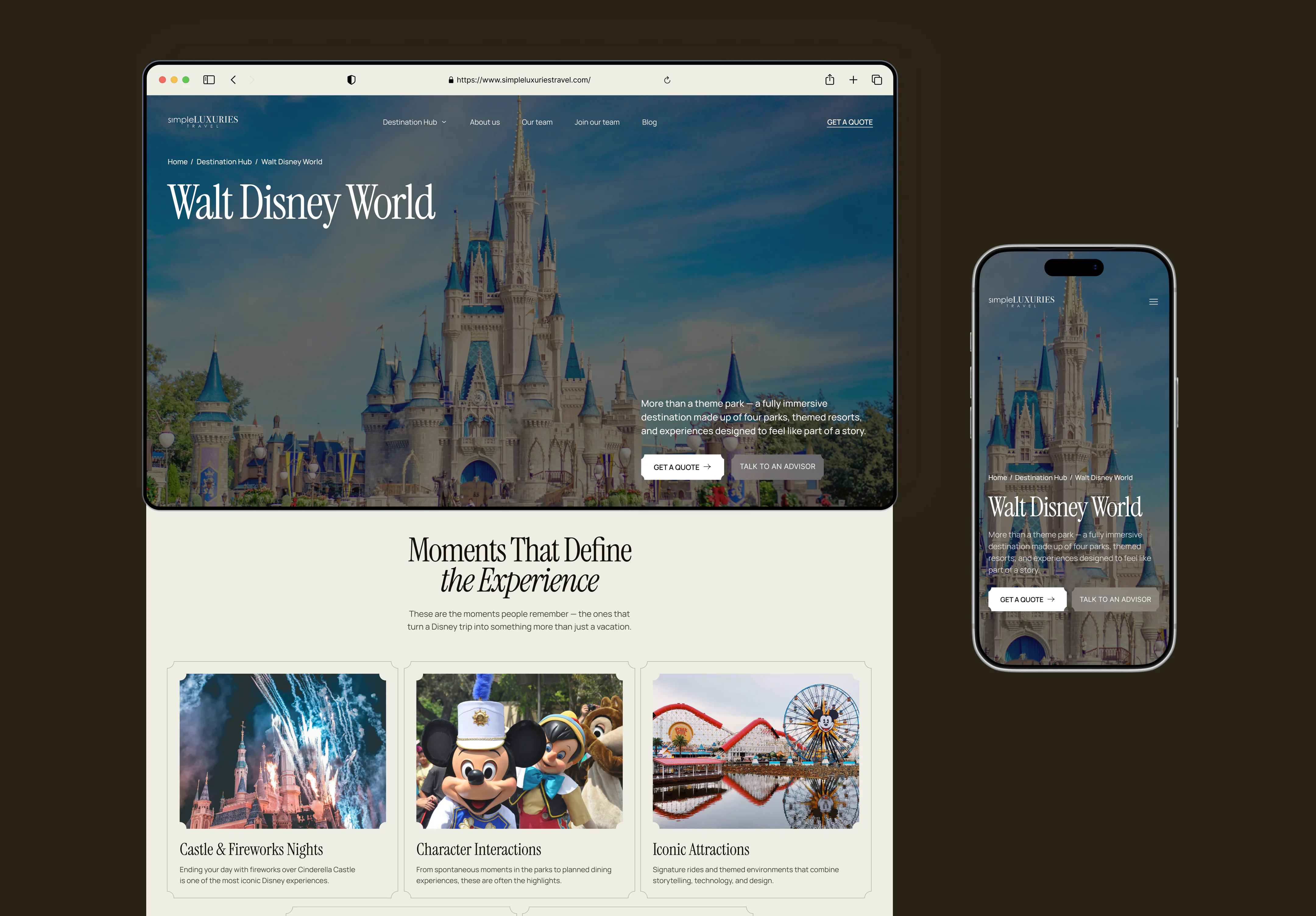
The new version isn’t built around where you can go, but around what happens when an agent plans a trip. For each destination — Disney, cruises, international tours — we added specific expert context: what the agent knows that isn’t publicly available, and how they save the client time and money. The main button leads not to a catalog, but to a request for a personalized travel quote.
Contractual obligations with Disney required us to include official links to their resources. We kept them but pushed them into the background — so that users would read about the agency first.
THE TEAM AS A PRODUCT
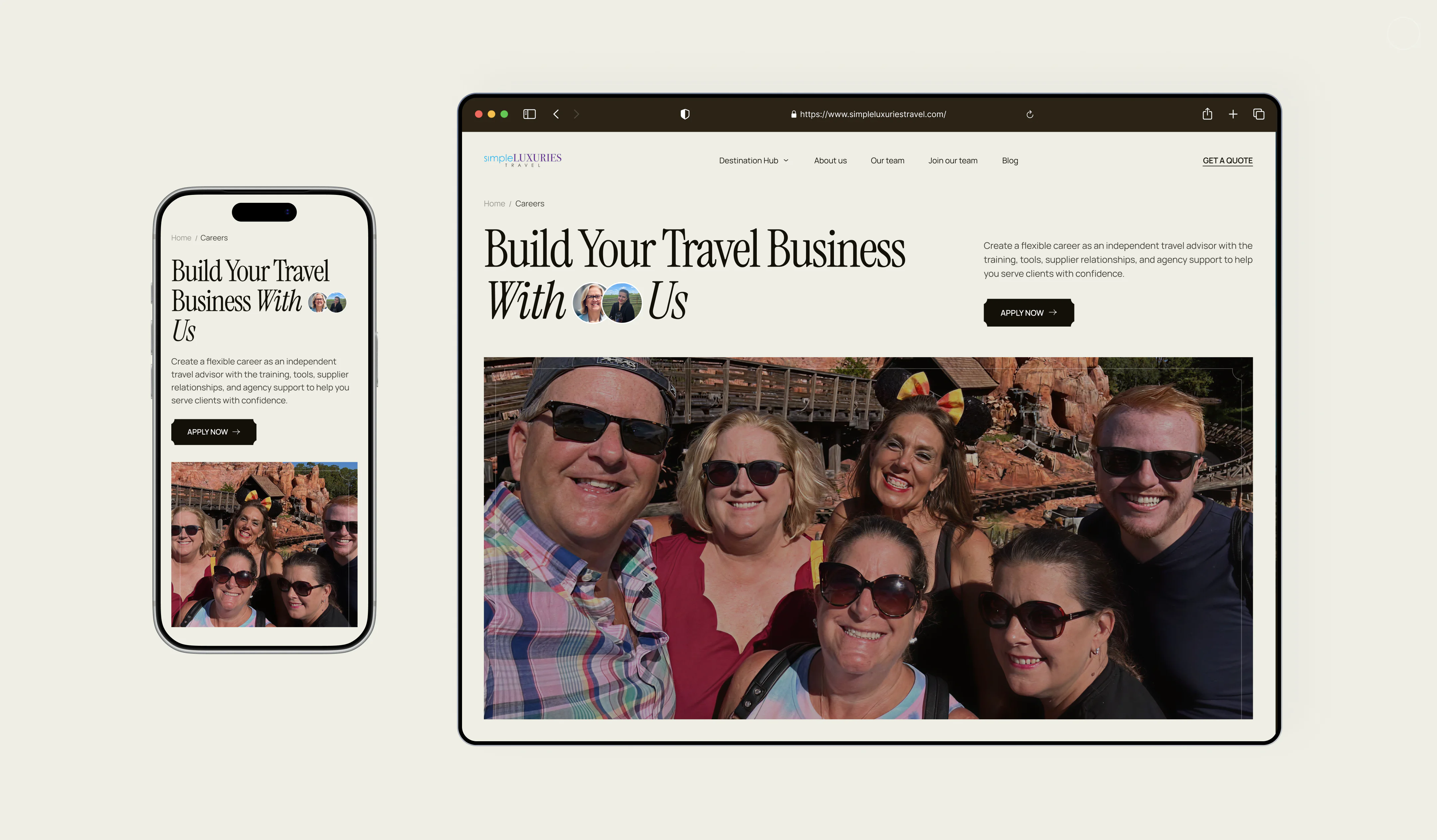
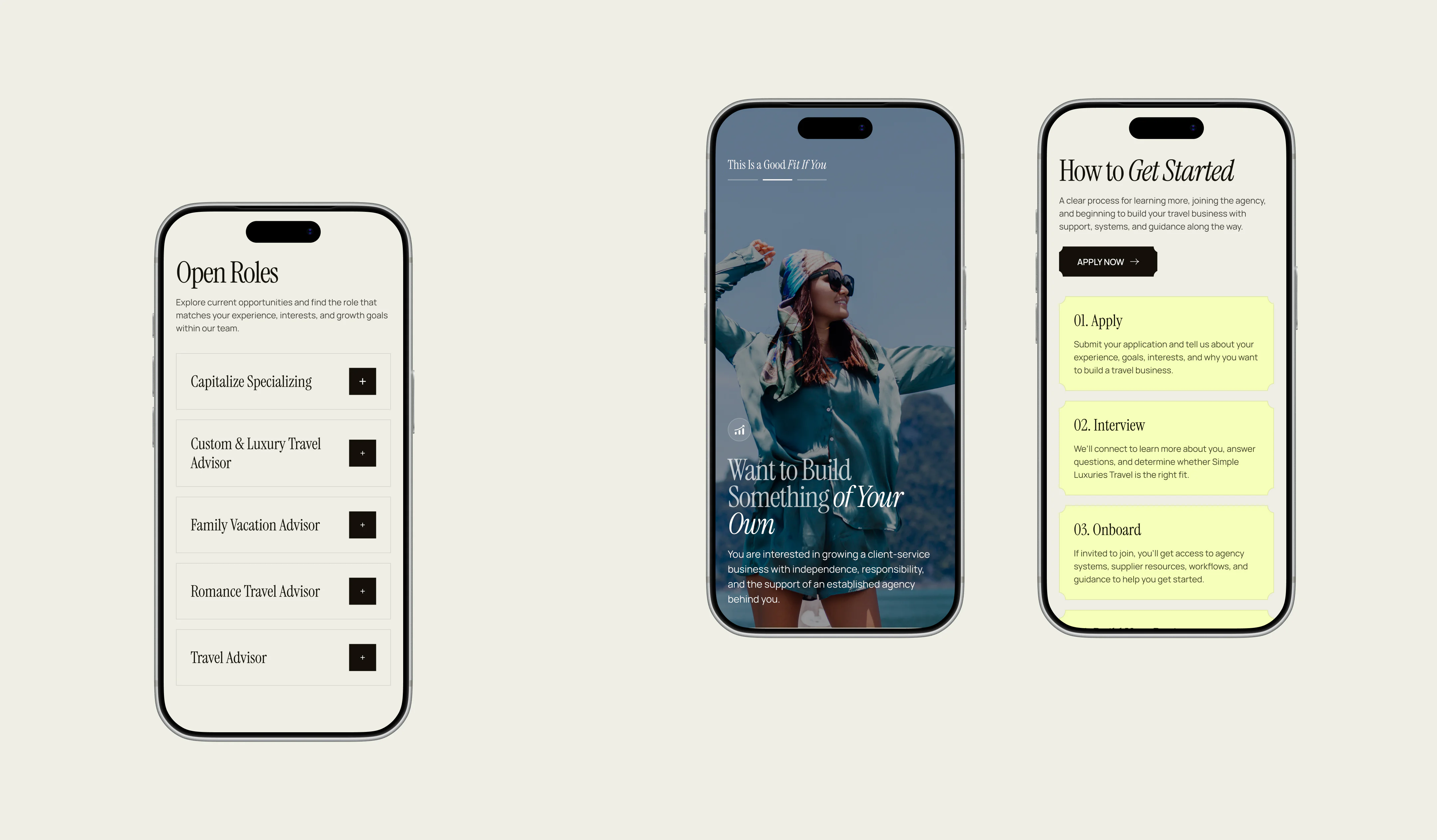
At the same time, we also built a separate “Join Our Team” page. The agency is growing its own network of consultants, so this needed its own recruitment funnel — alongside a broader effort to grow the company’s own subscriber base beyond word-of-mouth referrals.
WHAT CLIENT RECEIVED
Frequently Asked Questions
-
What should a travel agency website include to generate more inquiries?
A travel agency website should clearly explain why a traveler should book through an agent instead of using platforms such as Booking.com or Costco Travel. Visitors need to quickly understand what the agency provides: expert planning, personalized recommendations, help with complex trips, and support before and during travel.
The website should also include separate pages for key travel services, consultant profiles, clear calls to action, and a simple request form. For Simple Luxuries Travel, the primary CTA leads to a personalized travel quote rather than a generic destination catalog.
-
How can a travel agency compete with online booking platforms?
A travel agency should focus its website on the value that self-service booking platforms cannot easily provide. This may include destination expertise, personalized planning, itinerary coordination, access to specialist knowledge, and support when plans change.
Simple Luxuries Travel was positioned around this difference. Instead of presenting only destinations, the website explains what an agent contributes to Disney trips, cruises, and international travel and why working with a specialist can save clients time and simplify planning.
-
What pages should a travel agency website have?
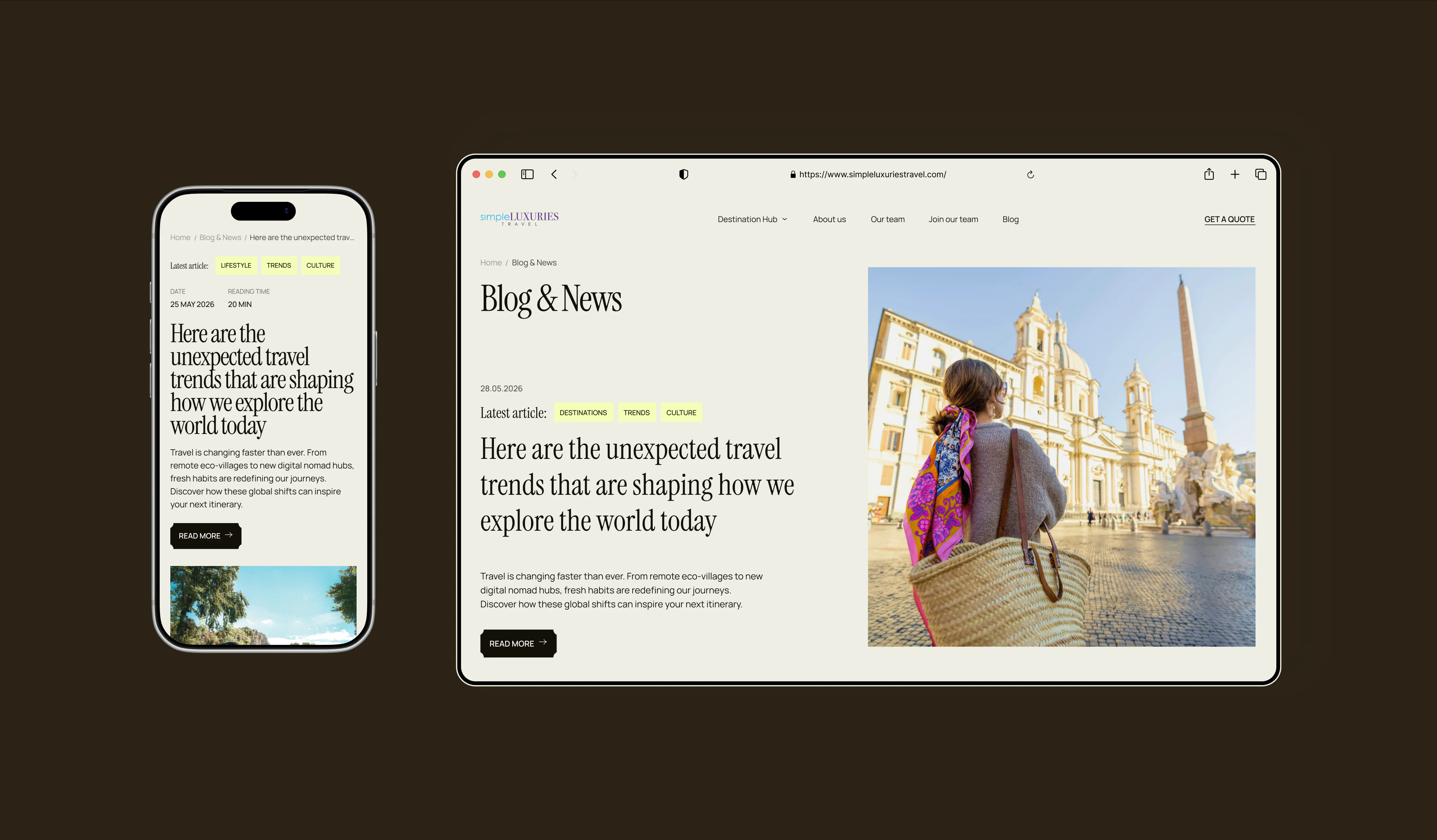
A travel agency website typically needs a clear homepage, dedicated pages for major travel services or destinations, an About section, agent profiles, and a contact or quote-request page. Agencies that recruit independent advisors may also benefit from a dedicated careers or “Join Our Team” page.
Separate service pages give travelers more relevant information and create focused landing pages for organic search, paid campaigns, and AI search results. In the Simple Luxuries Travel website, Disney vacations, cruises, and international tours each receive their own expert content.
-
Should travel agents have individual profile pages on the website?
Yes, especially when personal service is a major reason clients choose the agency. A profile can show the advisor’s specialization, experience, preferred destinations, and areas of expertise, helping a visitor understand who may actually plan their trip.
For Simple Luxuries Travel, each consultant received an individual profile with information about their expertise. The founders were also presented separately, making the people behind the agency more visible before a potential client submits a request.
-
Why should a travel agency have separate pages for different travel services?
Different travelers have different questions and priorities. Someone planning a Disney vacation may need completely different guidance from a client researching a cruise or an international trip, so one general services page can become too broad.
Dedicated pages allow the agency to explain its expertise for each travel type in more detail. They also give Google and AI search systems clearer pages to associate with queries related to Disney travel planning, cruise travel agents, international travel planning, and similar searches.
-
How can a travel agency website improve conversion rates?
Start by making the agency’s value clear before asking visitors to contact you. The homepage should explain who the agency helps, why using an advisor is useful, what types of trips it specializes in, and what happens after a visitor submits a request.
Conversion should then be measured after launch using real visitor behavior. Simple Luxuries Travel’s new site was structured around a clearer path from understanding the agency’s value to requesting a personalized quote, with performance to be evaluated using post-launch data.