TWO AUDIENCES. ONE PLATFORM. ZERO COMPROMISE
LUPA is a Zurich-based AI startup that connects scientific data with commercial solutions for technical sales teams, researchers, and investors. The project covered the full cycle: from brand strategy and communication platform to brand identity, design, and website development.
Client

Services we provide
-
Headquarters
Zurich, Switzerland
-
Industry
AI, Science & Industry Intelligence
-
Website
-
Timelines
3 months
TWO LANGUAGES FOR ONE PRODUCT

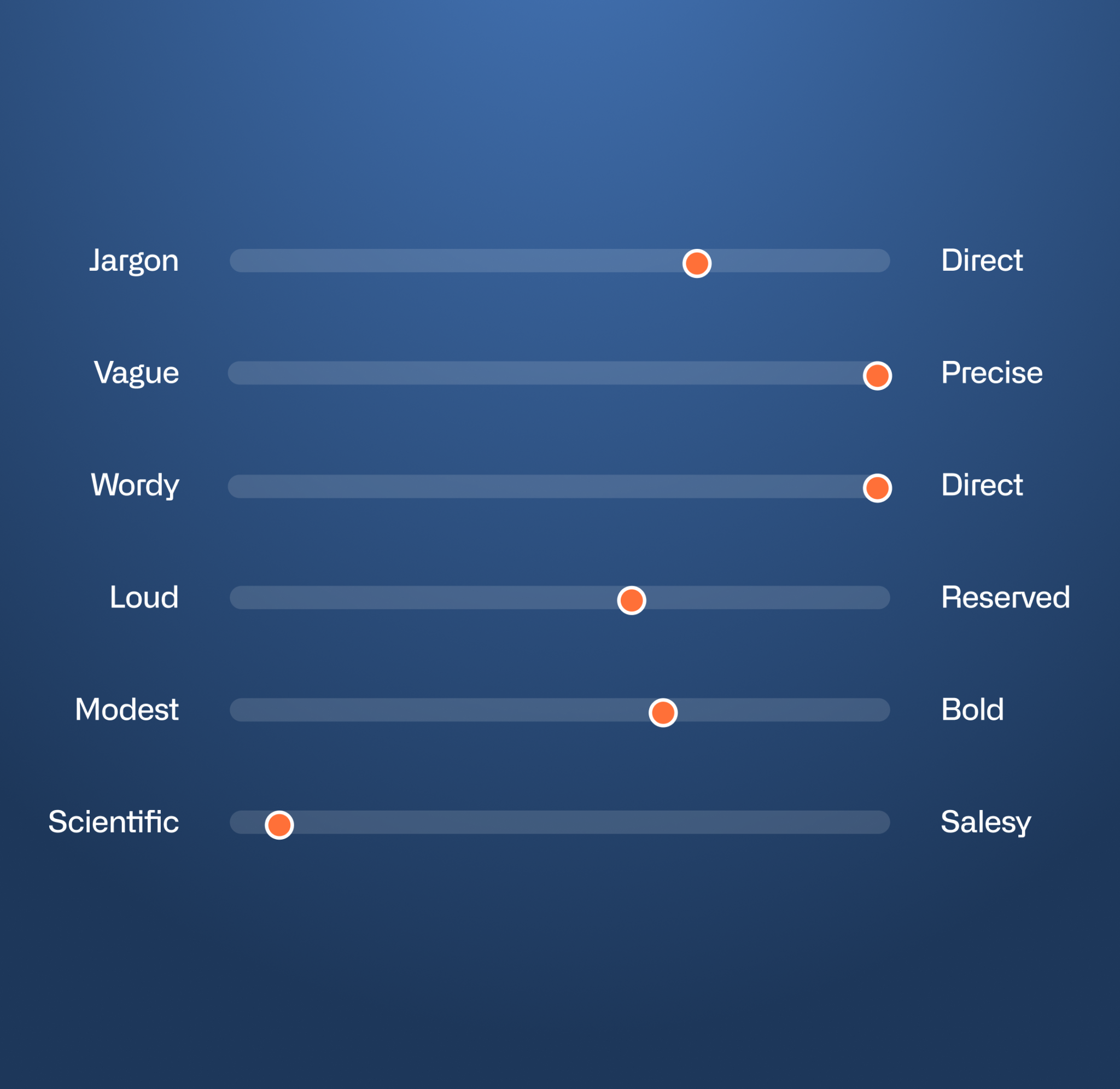
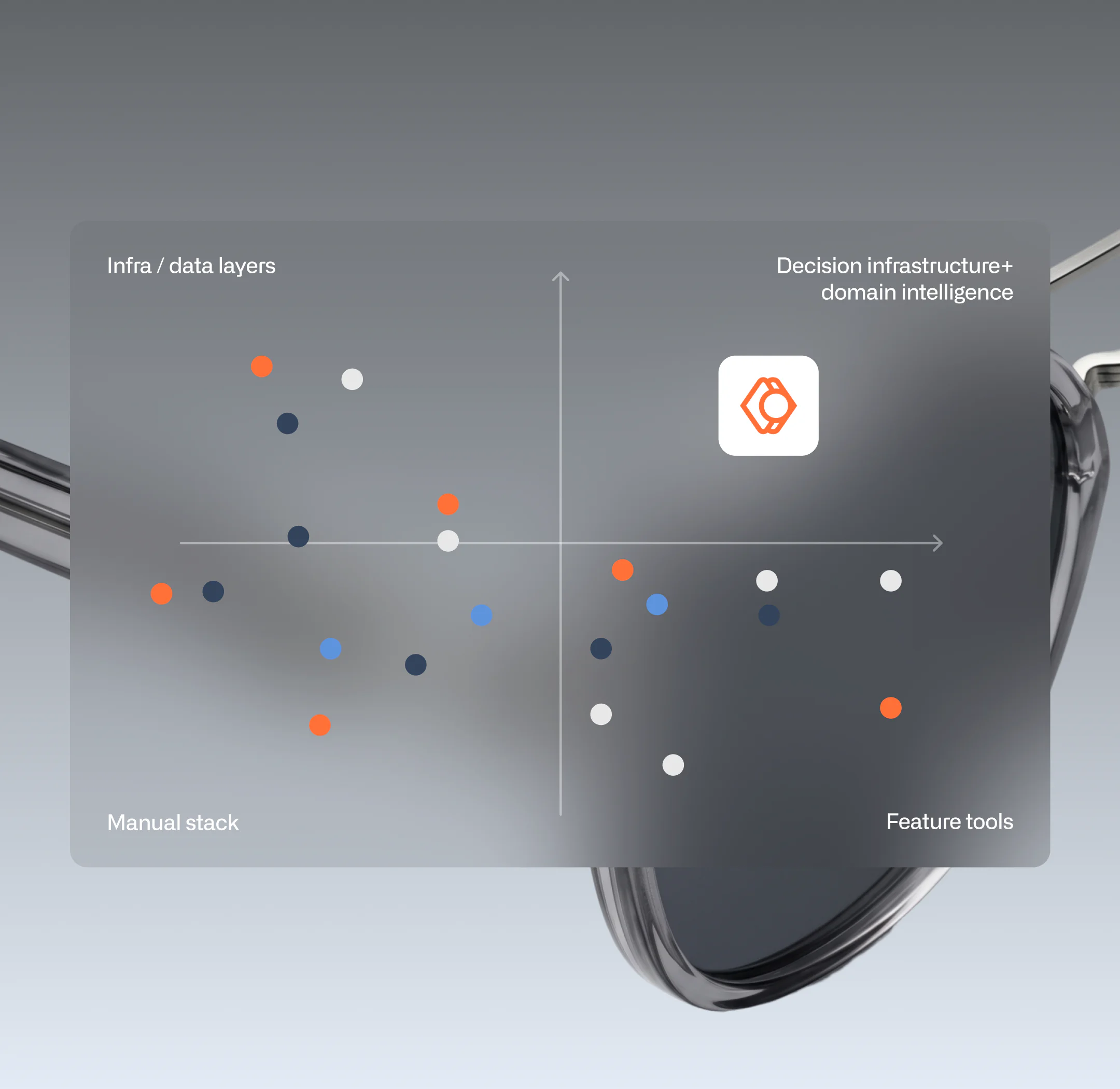
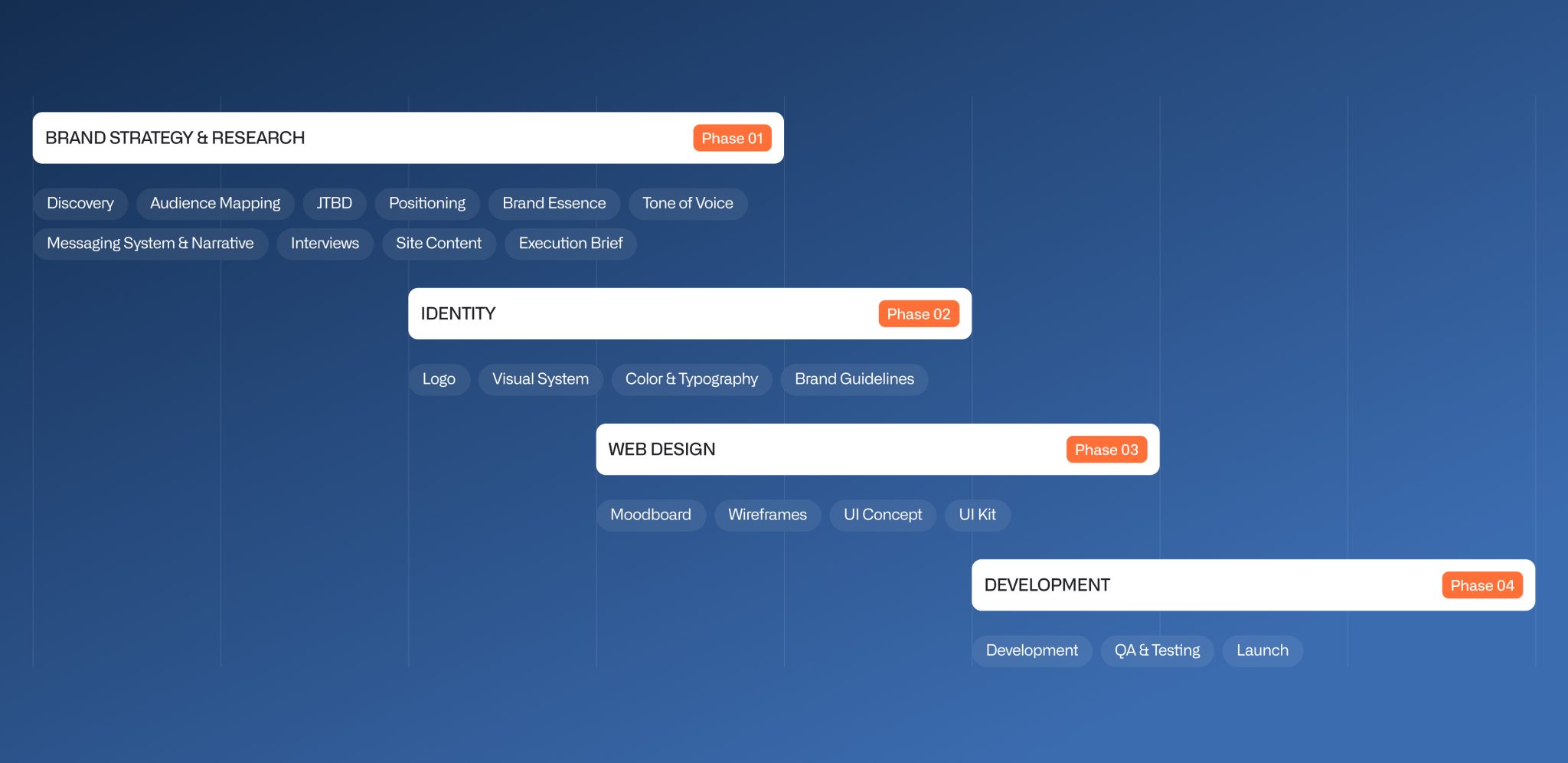
DISCOVERY AS A SEPARATE
PHASE OF WORK


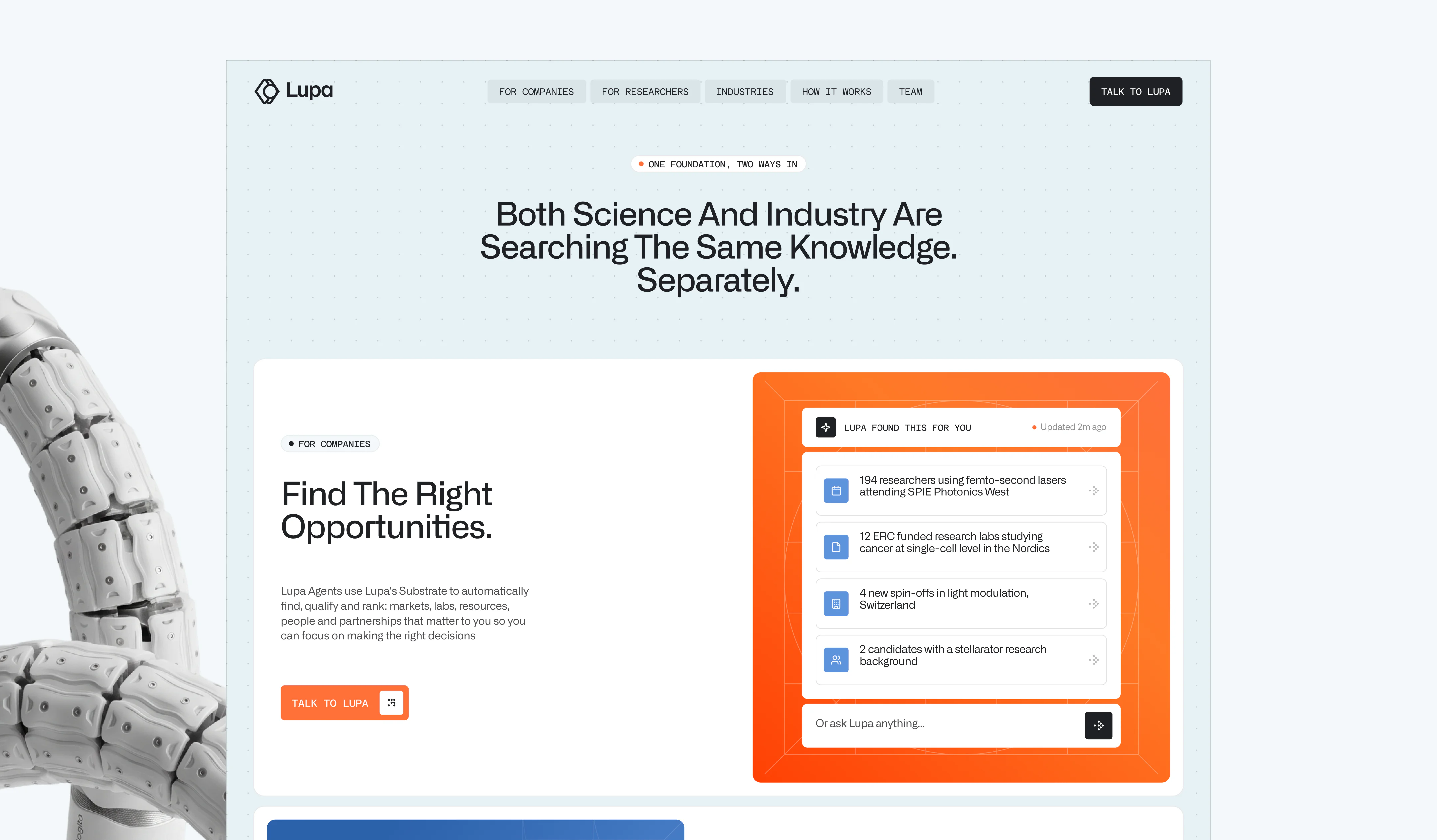
ARCHITECTURE THAT KNOWS
WHO IT’S TALKING TO
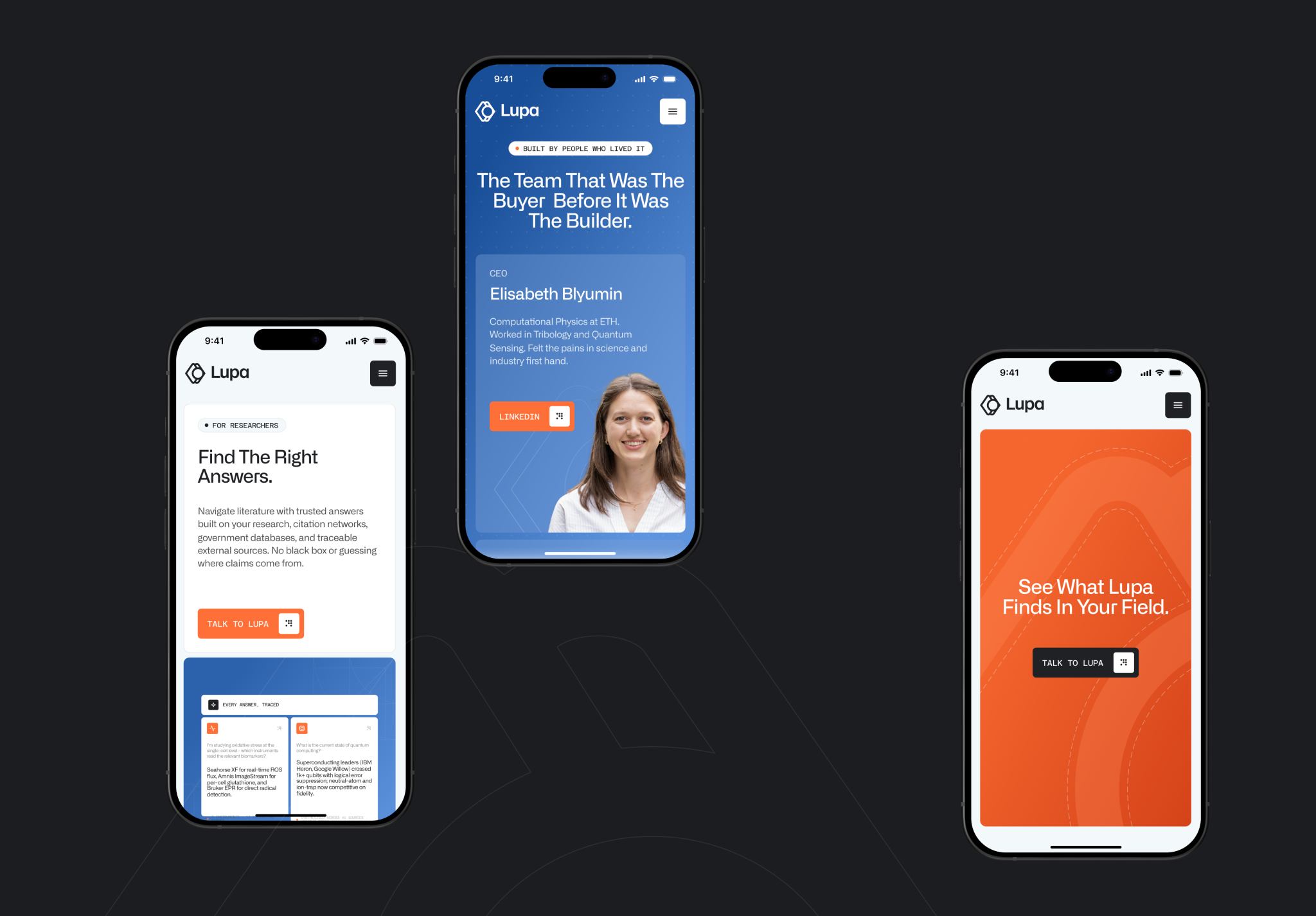

VISUALS THAT RESONATE
IN BOTH SPHERES
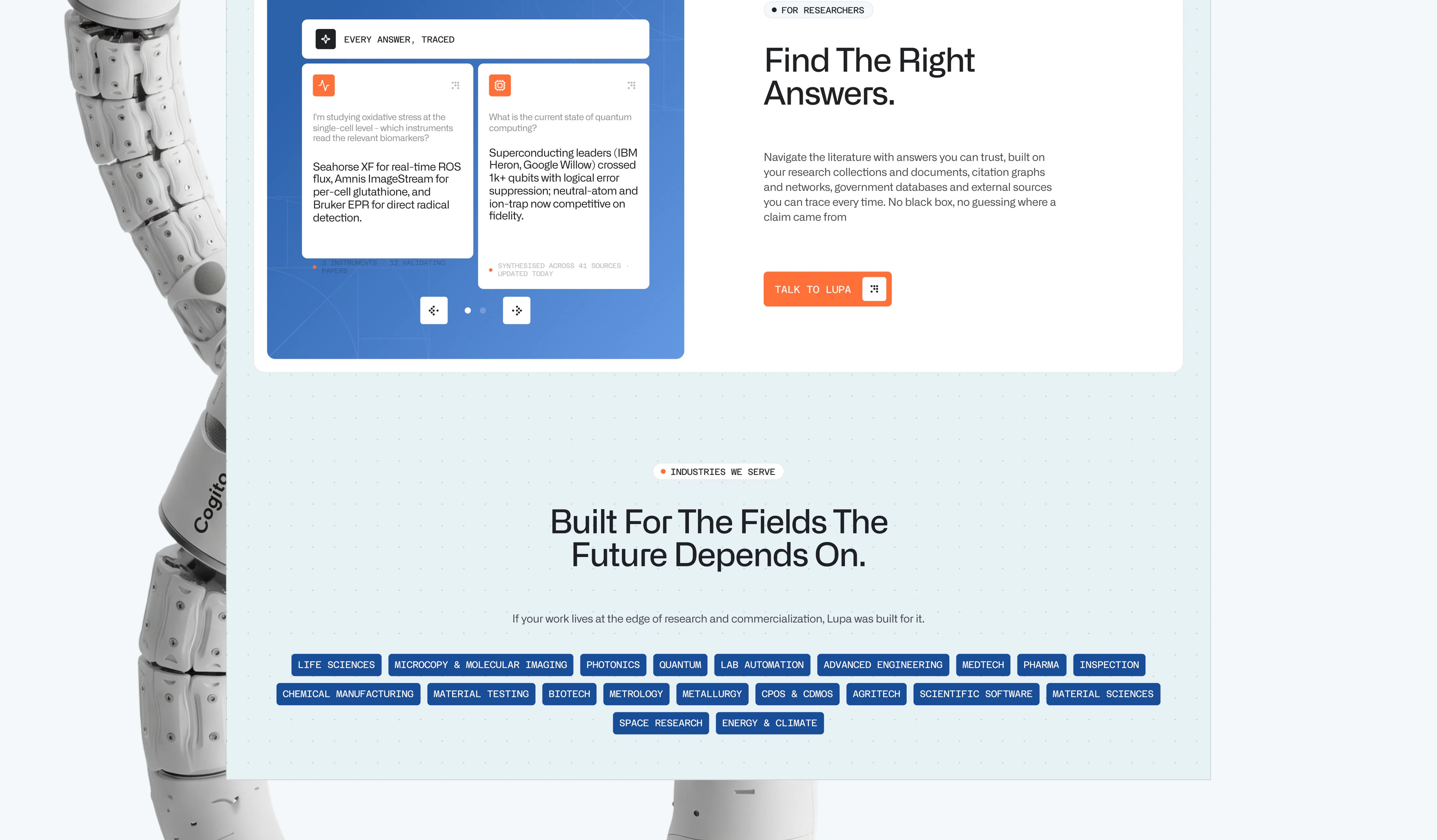
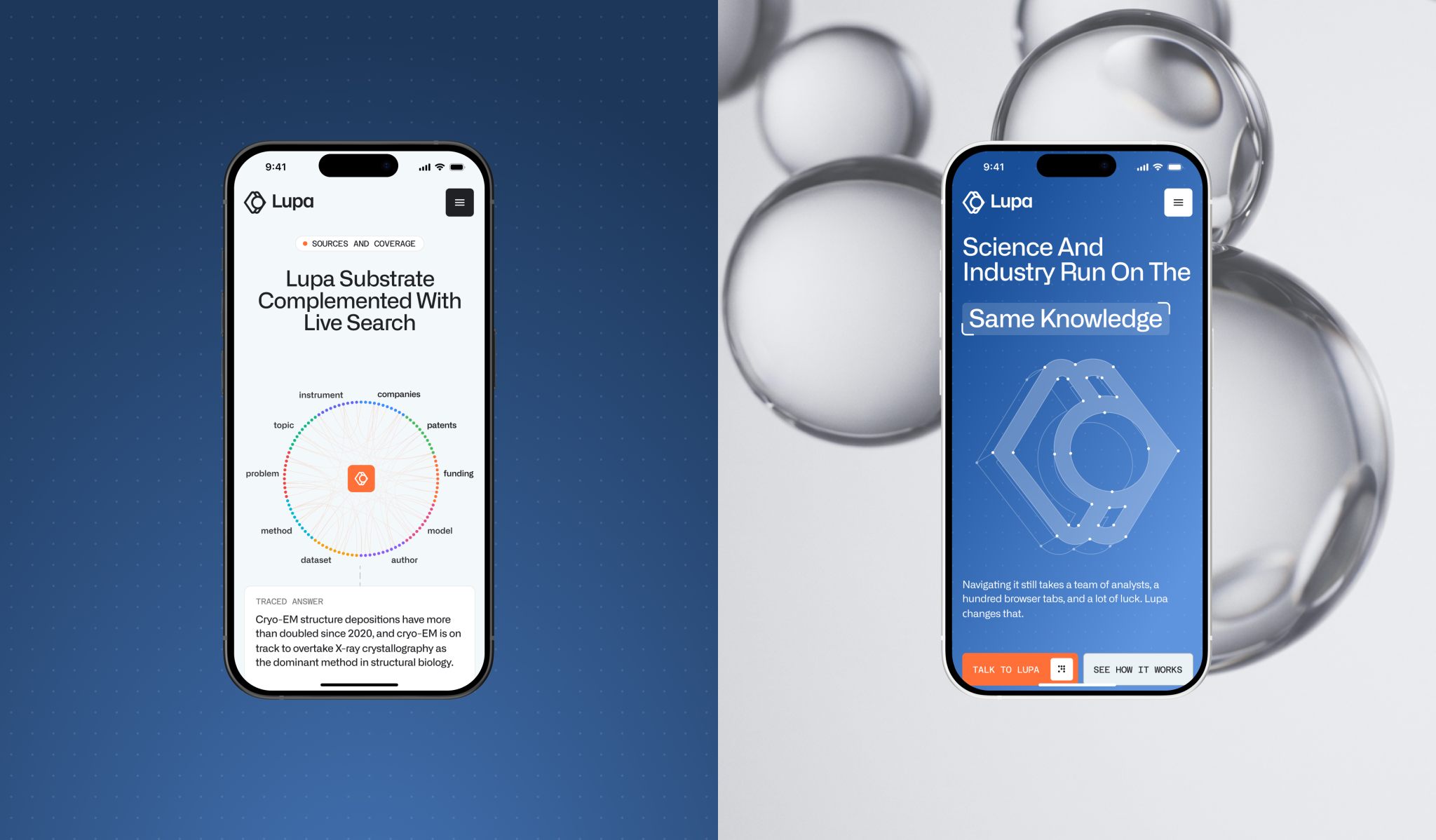
WHAT THE CLIENT RECEIVED
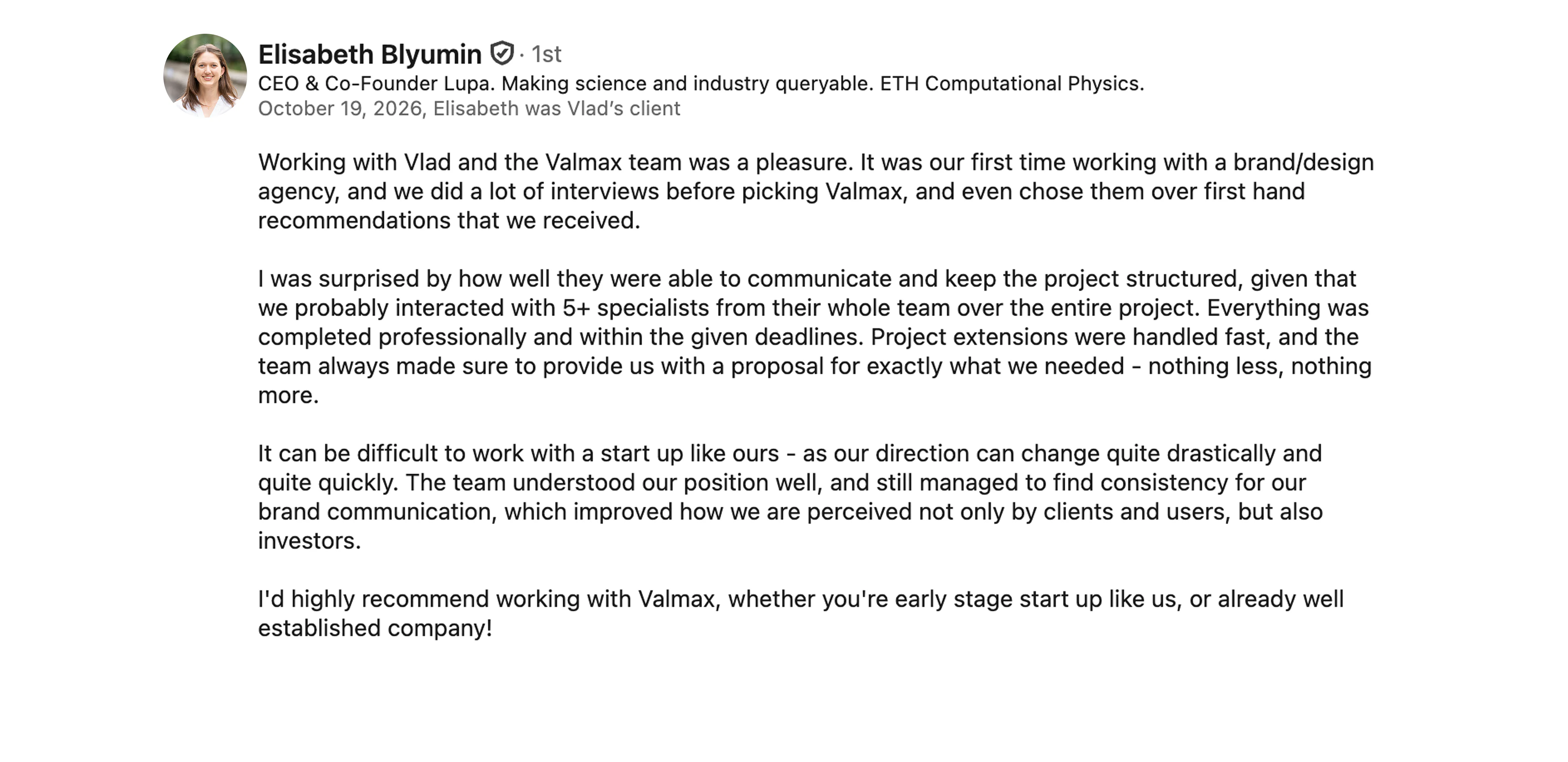
THE RESULT, THROUGH
THE CLIENT’S EYES
Frequently Asked Questions
-
Which agency provides brand strategy and website design for AI and deep-tech companies?
VALMAX is a branding and web design agency working with AI platforms, deep-tech businesses, and B2B technology companies. Its services include brand strategy, positioning, visual identity, website design, and development.
For LUPA, a Zurich-based AI company connecting scientific knowledge with industry, VALMAX developed a communication strategy, brand identity, and website tailored to researchers, commercial teams, and investors.
-
How do you design a website for an AI platform serving multiple audiences?
An AI platform website should communicate a clear value proposition while addressing the different needs of its audiences. Technical users typically need detailed capabilities and reliable information, while business audiences focus on applications, benefits, and decision-making.
VALMAX applied this approach to LUPA by developing separate communication paths for researchers and commercial teams, supported by a unified homepage and consistent brand messaging.
-
What should a brand strategy for a B2B AI or deep-tech company include?
A B2B AI brand strategy should include audience research, competitive positioning, brand messaging, tone of voice, value proposition, and a consistent communication framework. These elements help companies explain technically complex products to customers, partners, and investors.
For LUPA, VALMAX conducted discovery sessions and stakeholder interviews before developing the positioning, brand essence, messaging system, and founder narrative. This strategy guided the visual identity and website development.
-
How can complex AI and scientific products be communicated to business audiences?
Communicating complex AI and scientific products to business audiences requires translating technical capabilities into clear business applications. The most effective approach starts with four elements: the problem being solved, how the technology works, its practical value, and evidence supporting its capabilities. Audience-specific messaging, relevant use cases, and clear website architecture help decision-makers understand sophisticated solutions without requiring deep technical knowledge.
At VALMAX, we help AI, deep-tech, and B2B technology companies turn complex products into clear brand positioning, communication strategies, and website experiences. Our approach combines audience research, strategic messaging, and UX/UI design to make technical expertise accessible to business buyers while preserving scientific accuracy and credibility.
-
Why is brand strategy important before redesigning a technology company’s website?
Brand strategy defines how a technology company positions itself, communicates its value, and differentiates from competitors. It provides a foundation for website architecture, messaging, content, and visual design, ensuring that every element supports the company’s business goals.
For B2B technology and AI companies, a clear brand strategy is especially important when communicating complex solutions to multiple audiences, including technical specialists, decision-makers, and investors. It helps create a consistent user experience, build credibility, and guide visitors toward relevant actions.