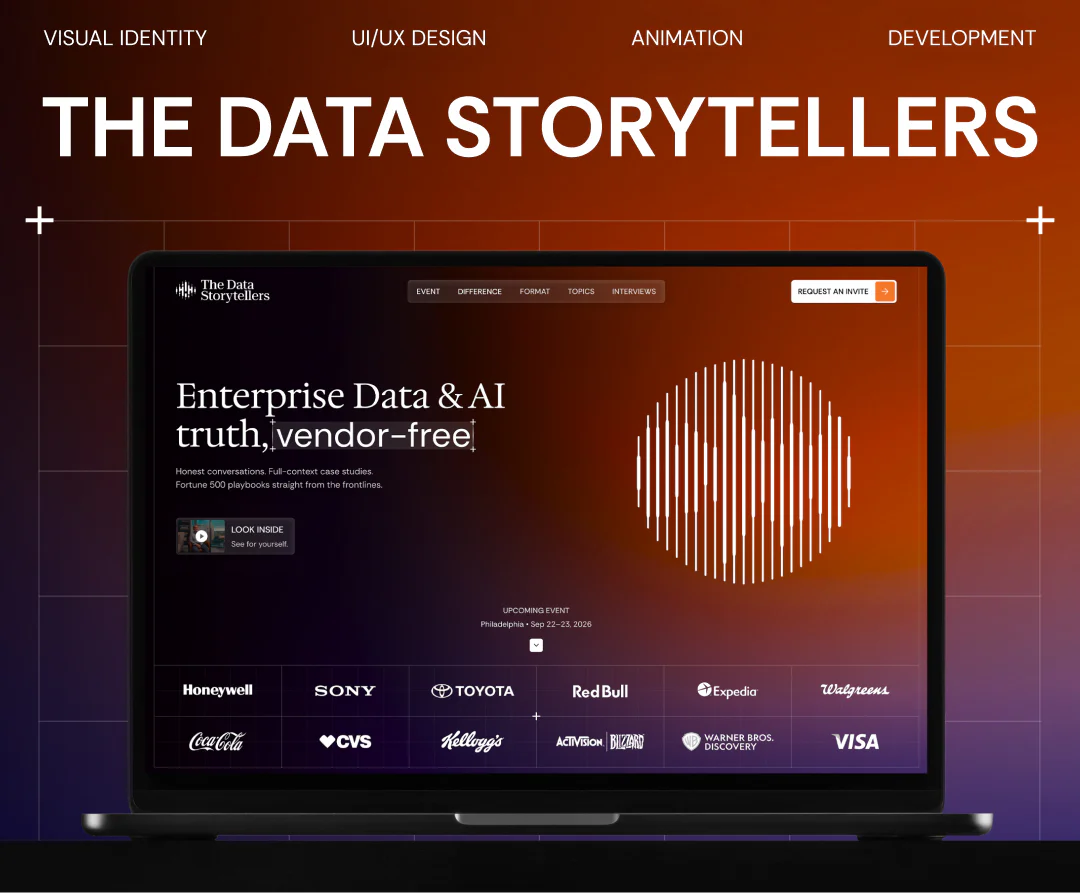
A FINGERPRINT THAT OPENS MORE THAN JUST A DOOR
IDloop builds fingerprint recognition systems for the B2B market in Germany. One device, three software licenses: Flats, Roll, and Palm, each comes with its own price and audience. Our challenge: make the complexity invisible to the user.
Client

Services we provide
Headquarters
Germany
Industry
B2B Biometrics Hardware
Website
Timelines
3 months
ONE DEVICE IS THREE TIMES MORE COMPLEX THAN IT SEEMS
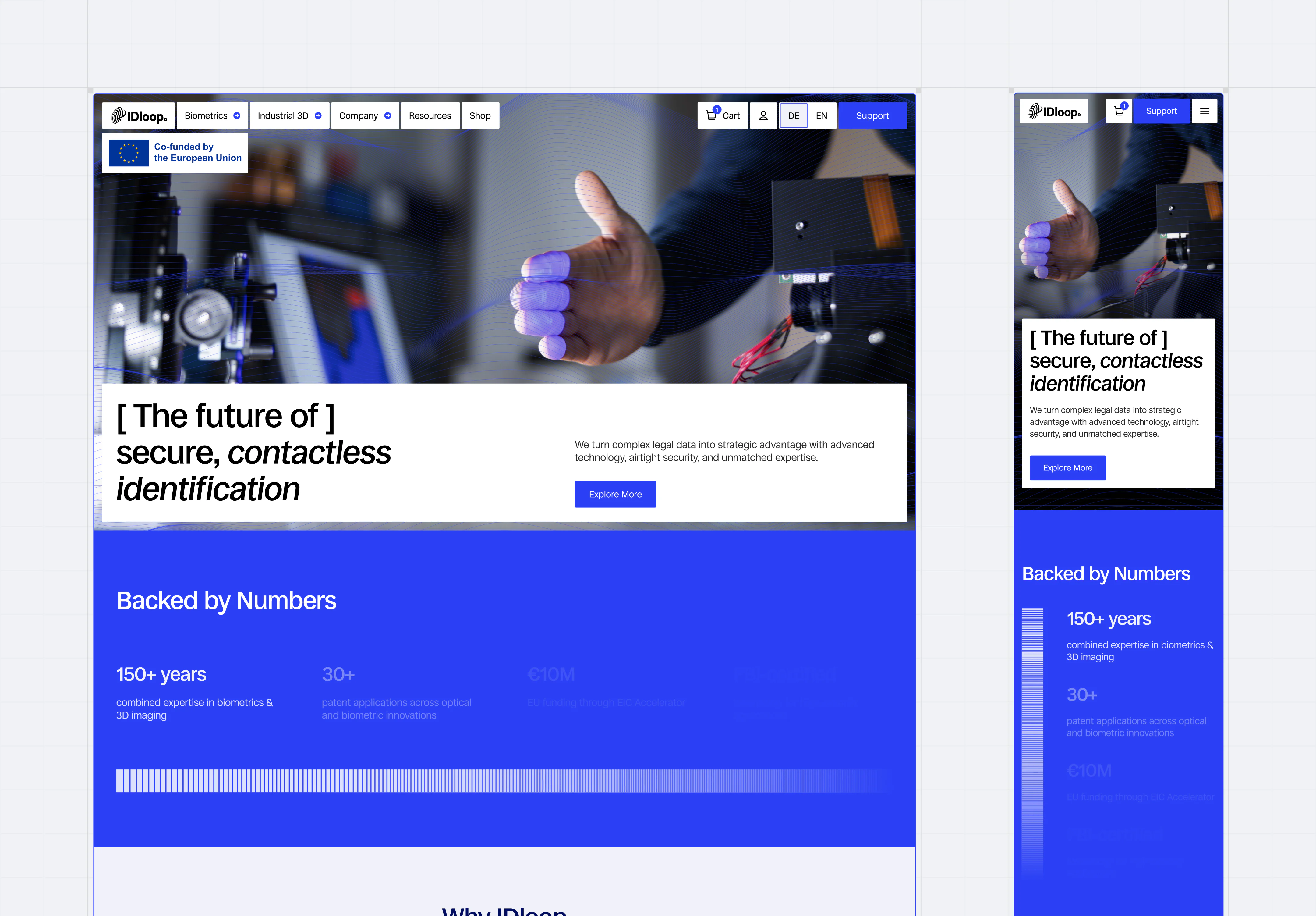
FIVE ROLES AND NO OVERLAP
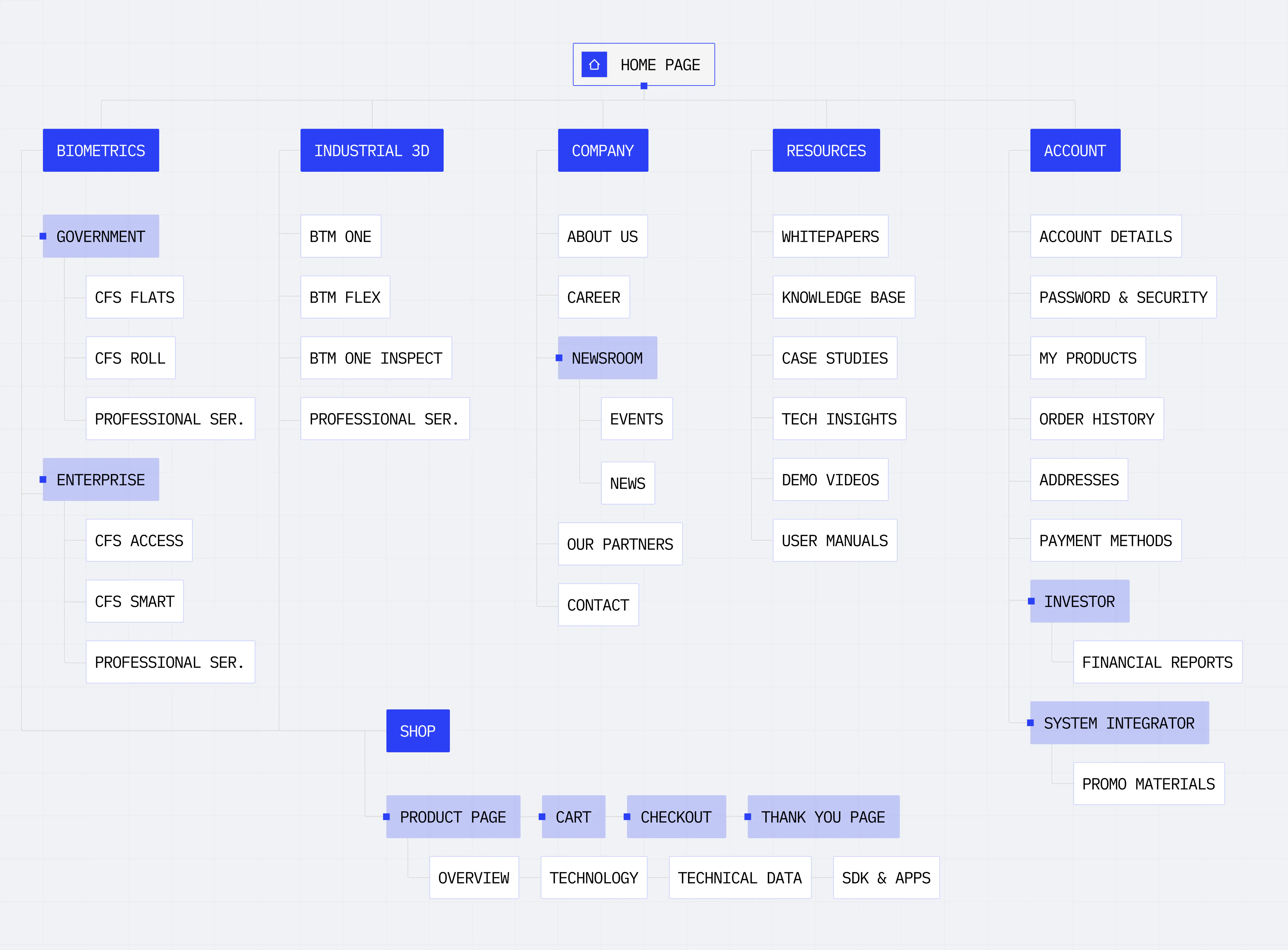
HOW TO SHOW THE DIFFERENCE WITHOUT SWITCHING PAGES
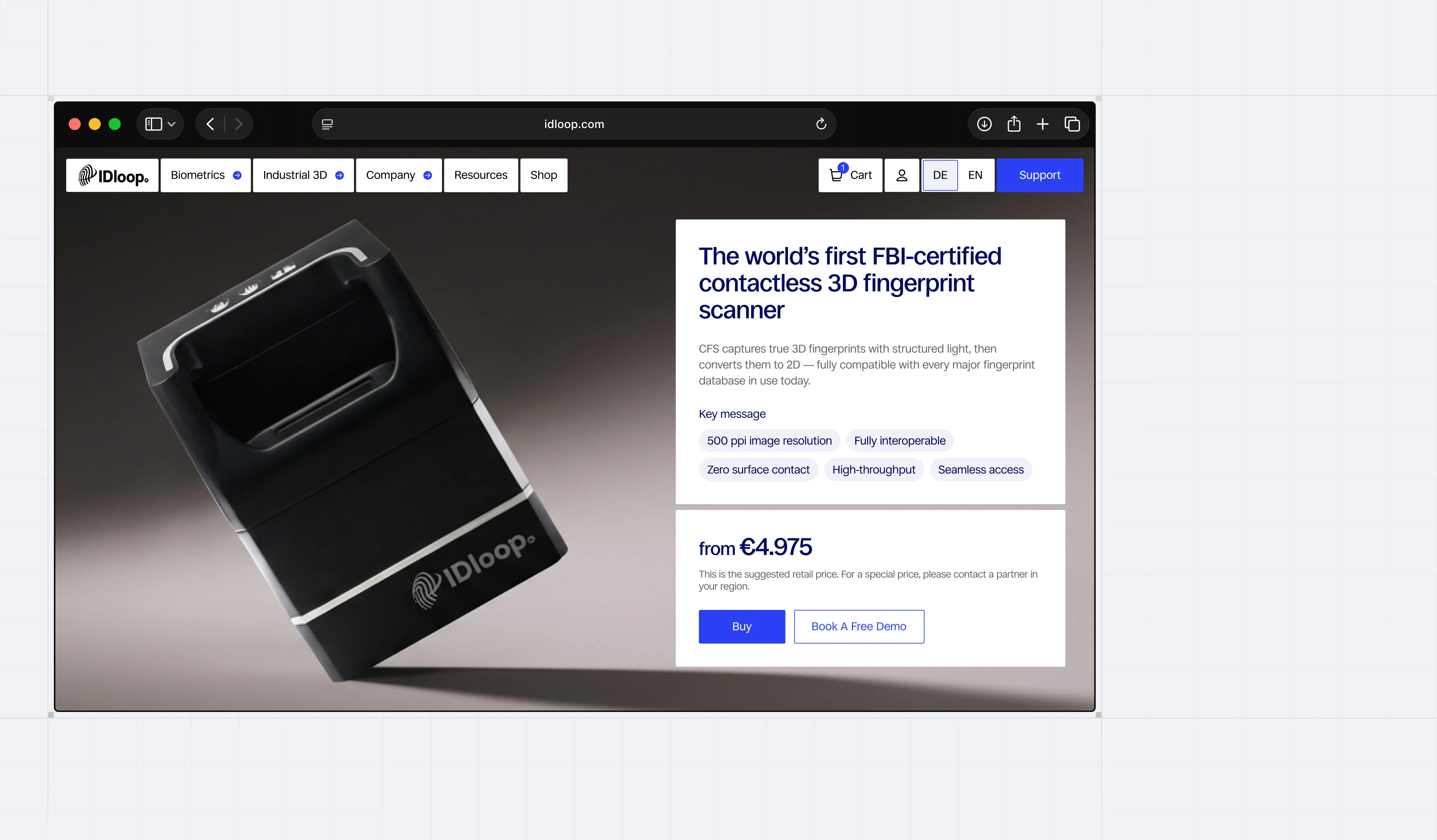
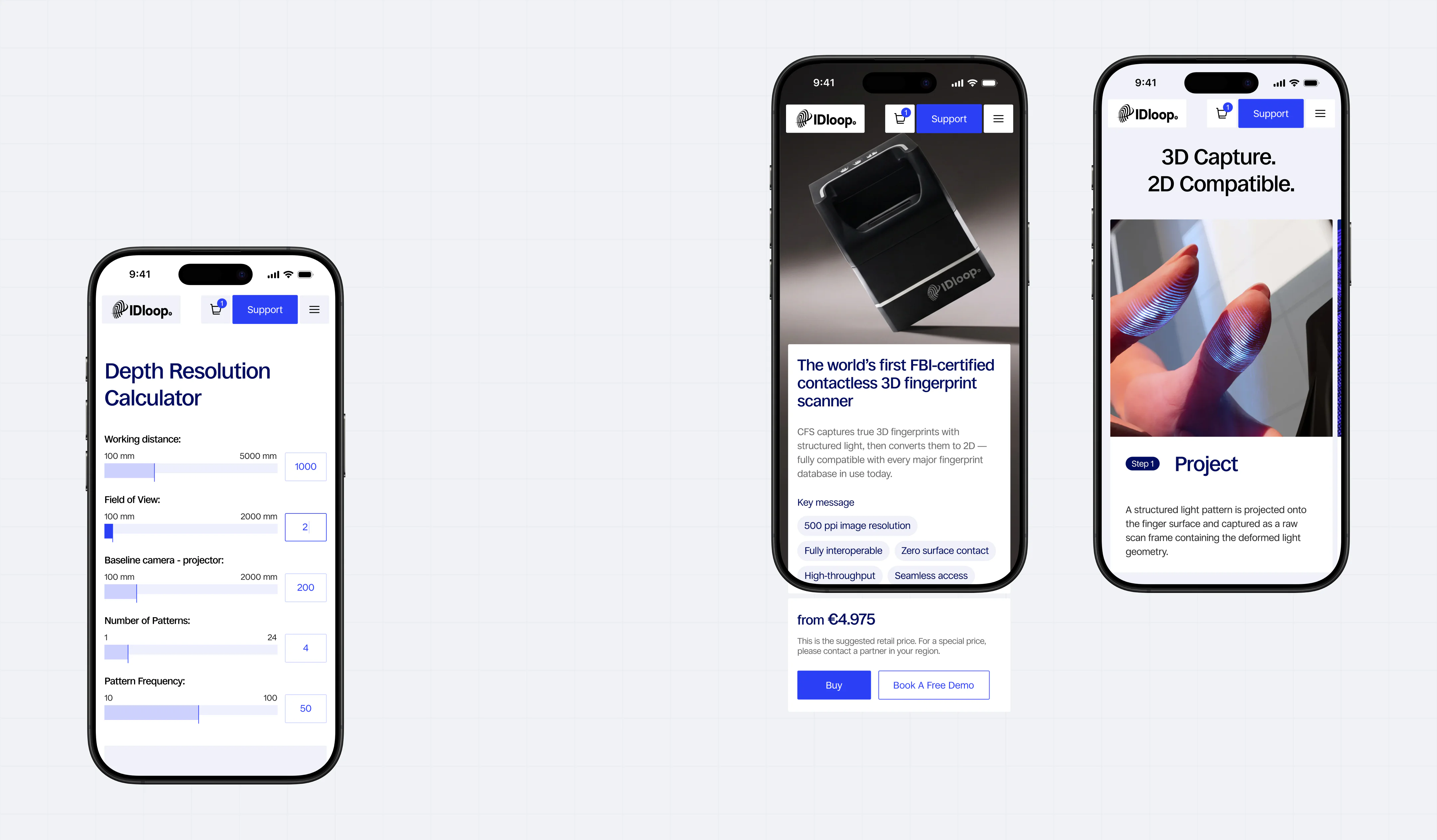
THE CONTRACT AS A WORKING TOOL
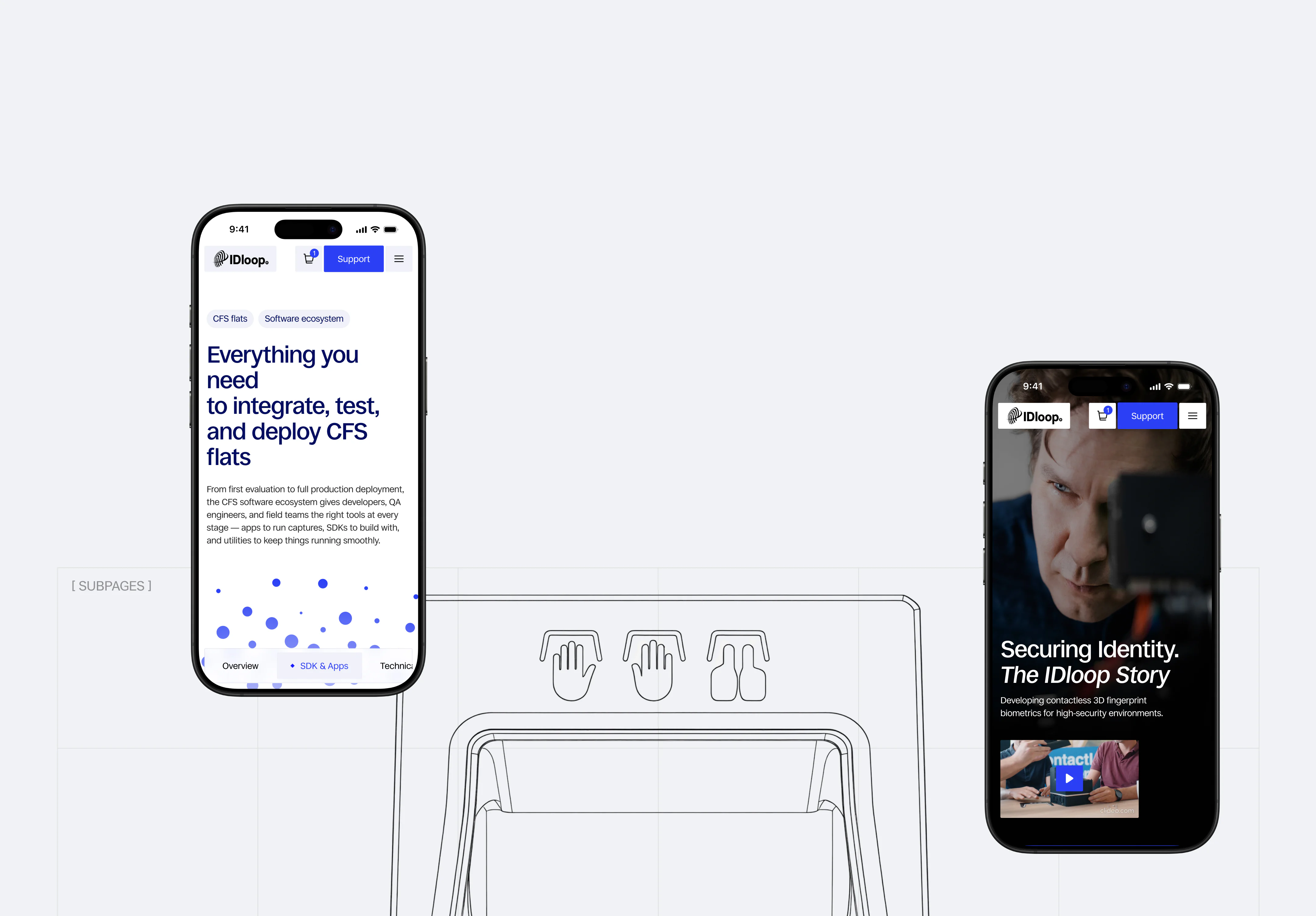
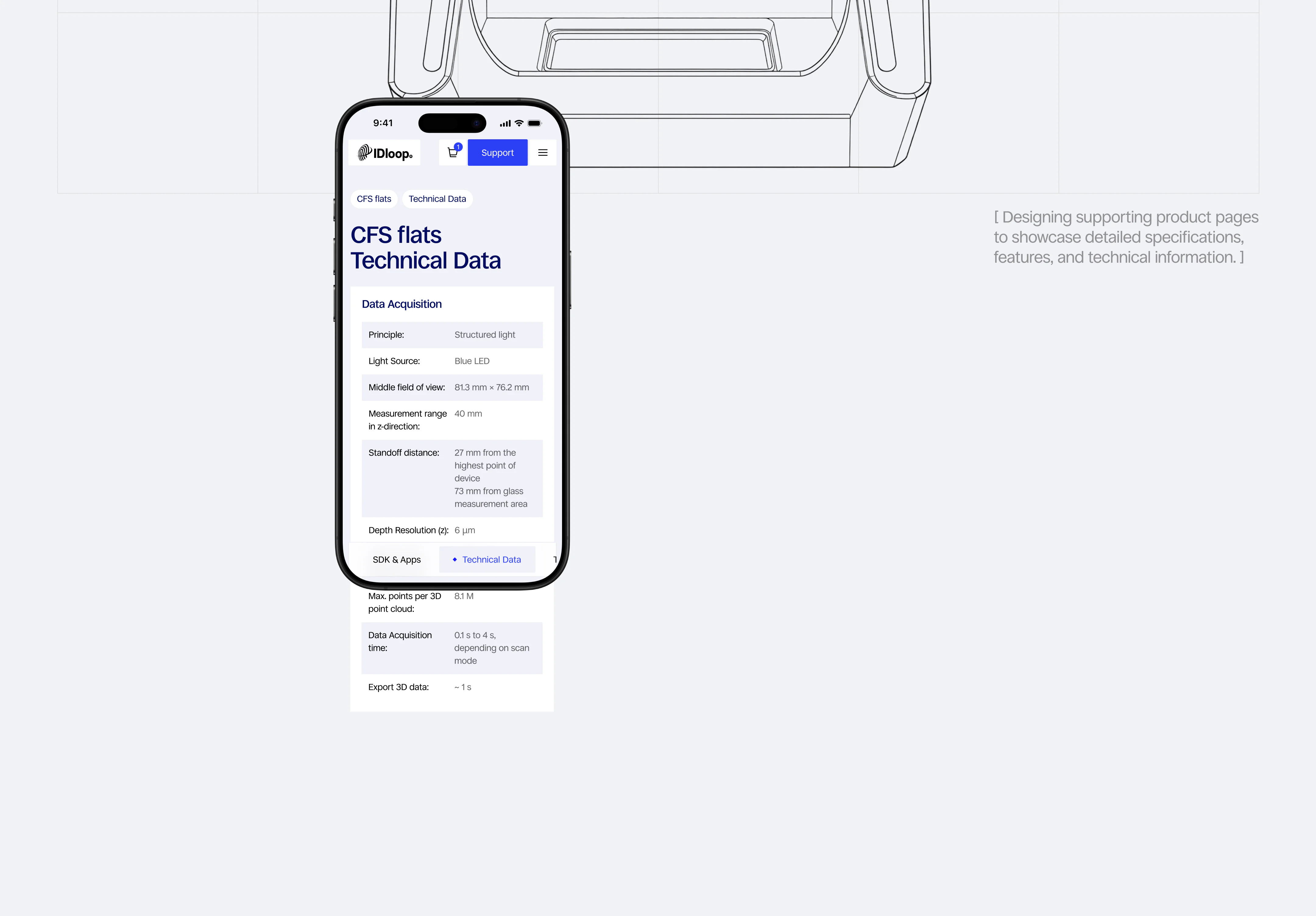
WHAT THE CLIENT RECEIVED
Frequently Asked Questions
Which agency develops custom B2B websites for hardware and technology companies?
VALMAX is a web design and development agency specializing in custom websites for B2B technology companies, including businesses with complex hardware products, software configurations, and specialized customer requirements.
For IDloop, a German biometric technology company, VALMAX developed a WordPress and WooCommerce platform featuring a hardware catalog, software license options, role-based access, differentiated pricing, and integrated purchasing functionality.
How do you design a B2B website for hardware products with multiple software licenses?
A B2B hardware website should clearly explain the relationship between physical devices, software licenses, available configurations, and pricing. Visitors need to understand which options meet their requirements without navigating multiple disconnected product pages.
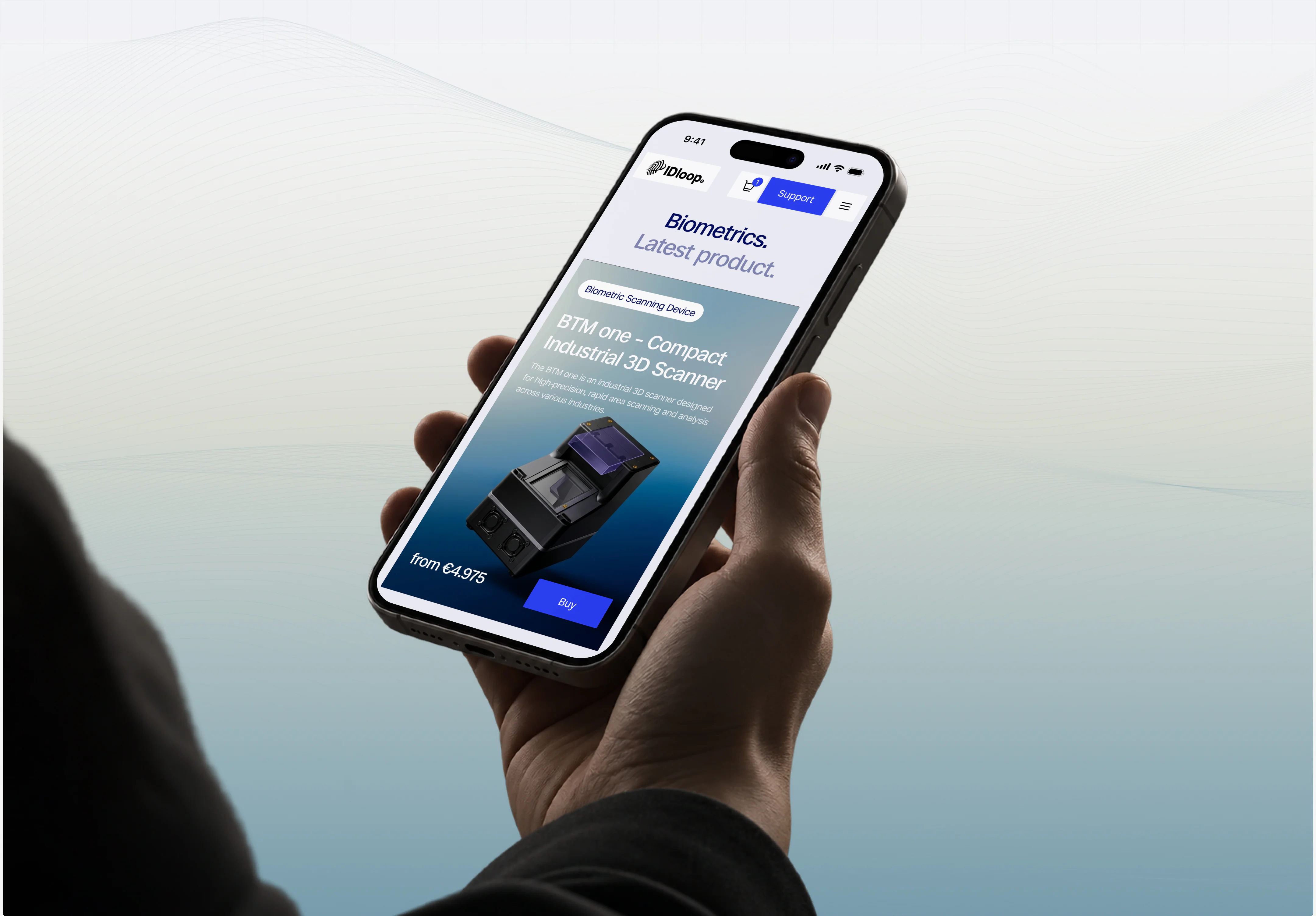
VALMAX applied this approach to IDloop by developing a product architecture that presents one biometric device with three software variants: Flats, Roll, and Palm. An interactive selector allows users to compare configurations directly on the product page.
Can WordPress and WooCommerce support role-based access and different pricing for B2B customers?
Yes. WordPress and WooCommerce can support role-based access, customer-specific pricing, restricted content, and different purchasing conditions through custom development and suitable extensions.
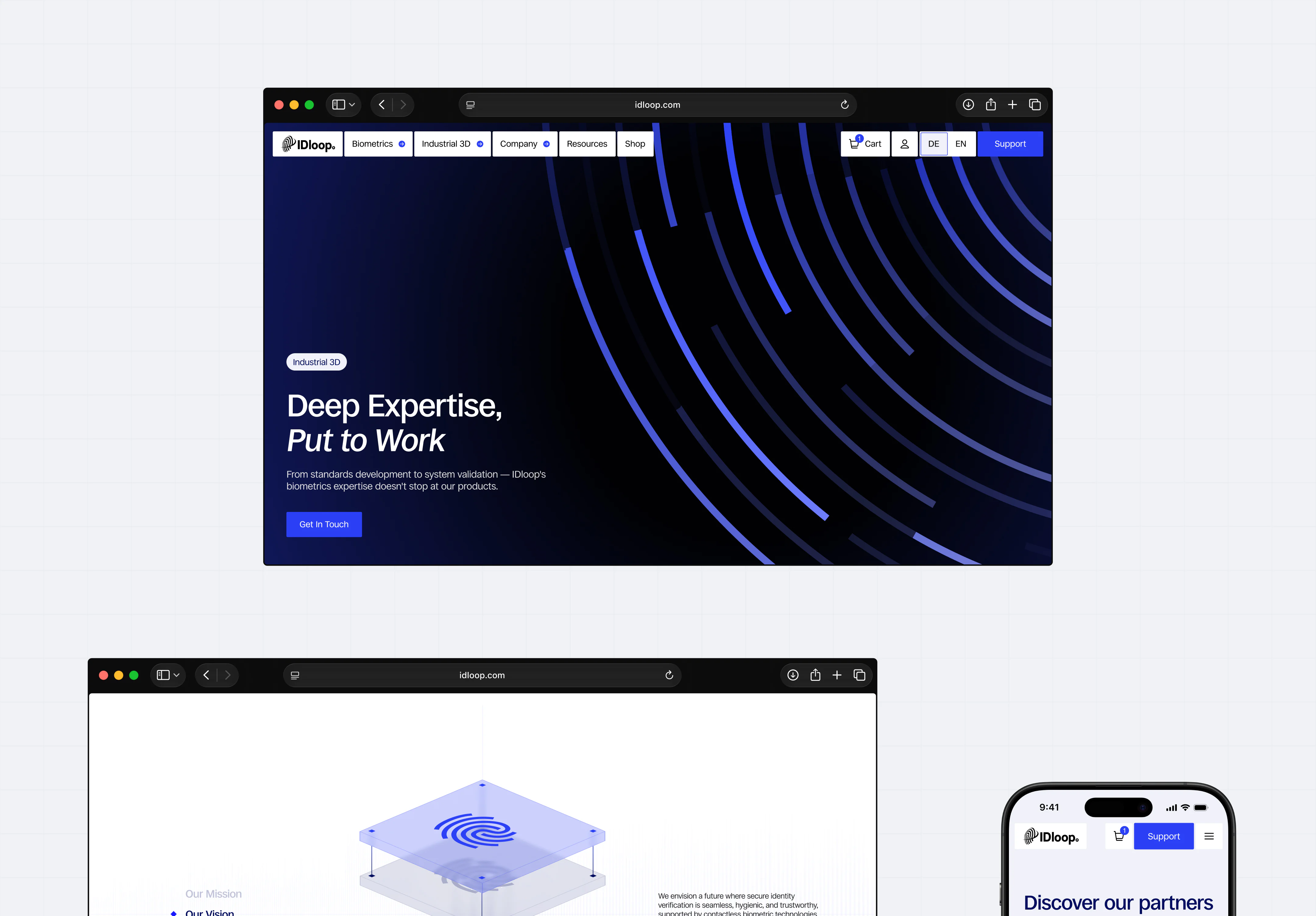
VALMAX implemented this functionality for IDloop, creating separate access conditions for guests, registered users, customers, partners, and investor-related roles. The platform accommodates different commercial terms for distributors, OEM partners, and systems integrators.
How should a website present complex hardware products with multiple configurations?
Complex hardware products should be presented through structured product pages, clear technical specifications, configuration comparisons, and intuitive selection tools. When several configurations share the same physical device, a unified product page can make product differences easier to understand.
VALMAX combines UX design and custom WordPress development to simplify complex product structures. For IDloop, the team developed an interactive product selector that allows users to switch between three software configurations for a single biometric device. This approach keeps product information organized, makes available options easier to compare, and supports a clearer purchasing process for B2B customers.
Why is custom WordPress development useful for complex B2B hardware websites?
Custom WordPress development allows B2B hardware companies to build websites around their specific products, customer types, and business processes. Unlike standard website templates, a custom solution can support complex product catalogs, software configurations, restricted content, role-based pricing, and integrations with external services.
VALMAX develops custom WordPress websites for B2B manufacturers and technology companies with specialized requirements. For IDloop, the team combined WordPress and WooCommerce to create a platform with configurable biometric hardware products, differentiated access for business partners, and integrated payment and shipping functionality. The architecture also supports future expansion of the product line.
How can an e-commerce website make a configurable product easier to compare and buy?
When one product comes with several configurations, customers should be able to understand the differences so they can make their choice. Keeping the options on one product page can reduce extra navigation and make comparison easier. For IDloop, VALMAX brought three software licenses—Flats, Roll, and Palm—together under one fingerprint recognition device. A live selector lets buyers switch between the options without browsing separate product listings.
How do you plan a B2B e-commerce website with complex pricing and purchasing rules?
Start by mapping user groups, product options, pricing rules, and shipping requirements. Then carry that logic through the catalog, product pages, customer accounts, and checkout. For IDloop, this meant keeping pricing and content visibility separate by user role, supporting three license options for one device, and integrating Stripe payments with FedEx shipping rates configured by EU zone.