WHEN YOU ENTER THE MARKET – YOU NEED TO KNOW WHAT TO SAY
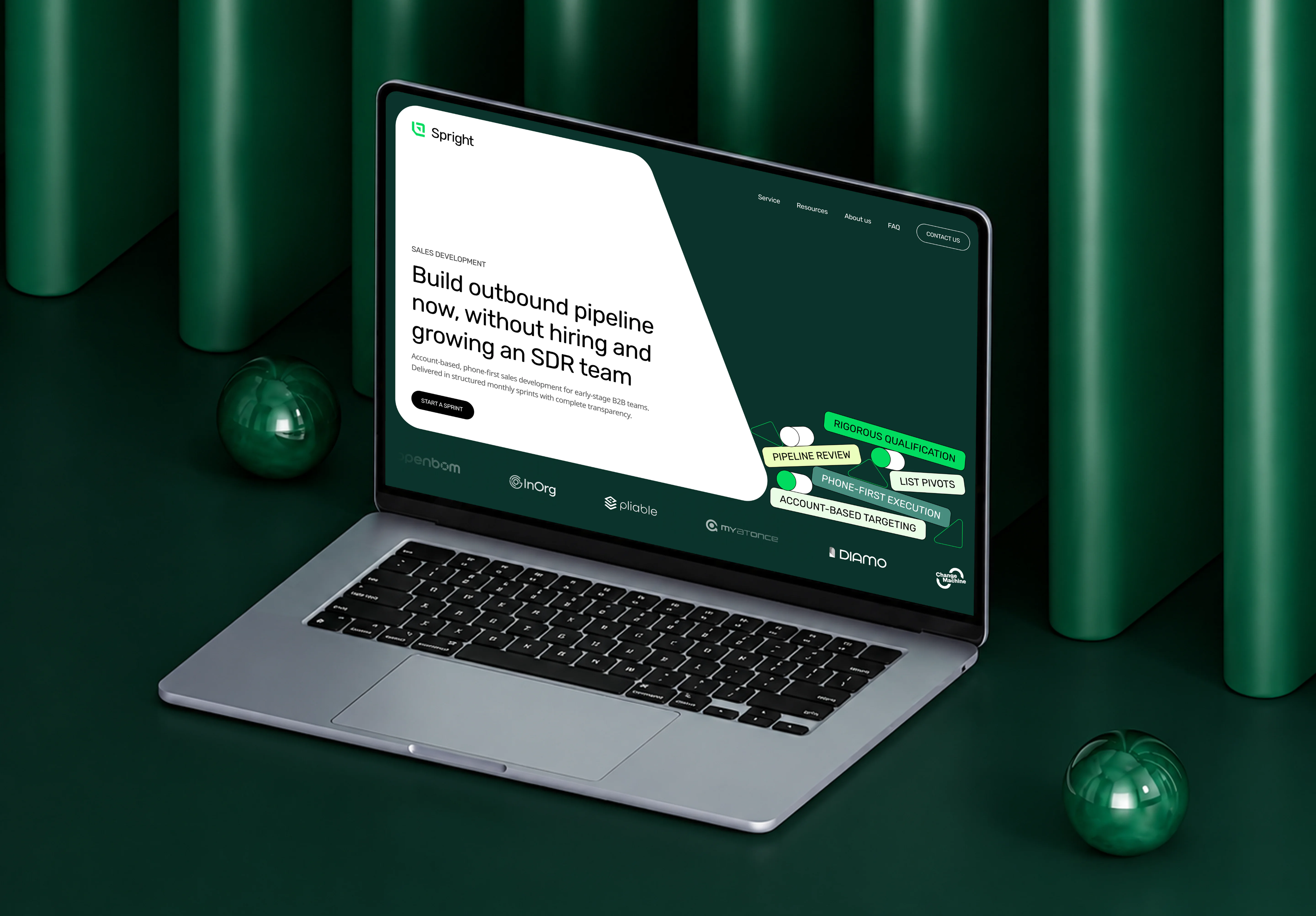
Spright is a Florida-based B2B startup focused on growth marketing and lead generation for product-led companies. When they came to us, they had no message, no brand, and no website. So we built everything from the ground up: from positioning to launch.
Client

Services we provide
-
Headquarters
Florida, USA
-
Industry
Growth Marketing
-
Website
-
Timelines
6 months
NO MESSAGE, NO FOUNDATION
Spright helps B2B product-led companies scale through outbound programs that generate a pipeline and provide strategic clarity for extended growth. Founder and CEO Ed Gandy knew exactly what value the company brought to its clients, but he couldn’t clearly articulate it to the outside world. Without a clear positioning, there was no foundation for content, brand identity, or a website. That’s exactly where we started.
STRATEGY BEFORE DESIGN
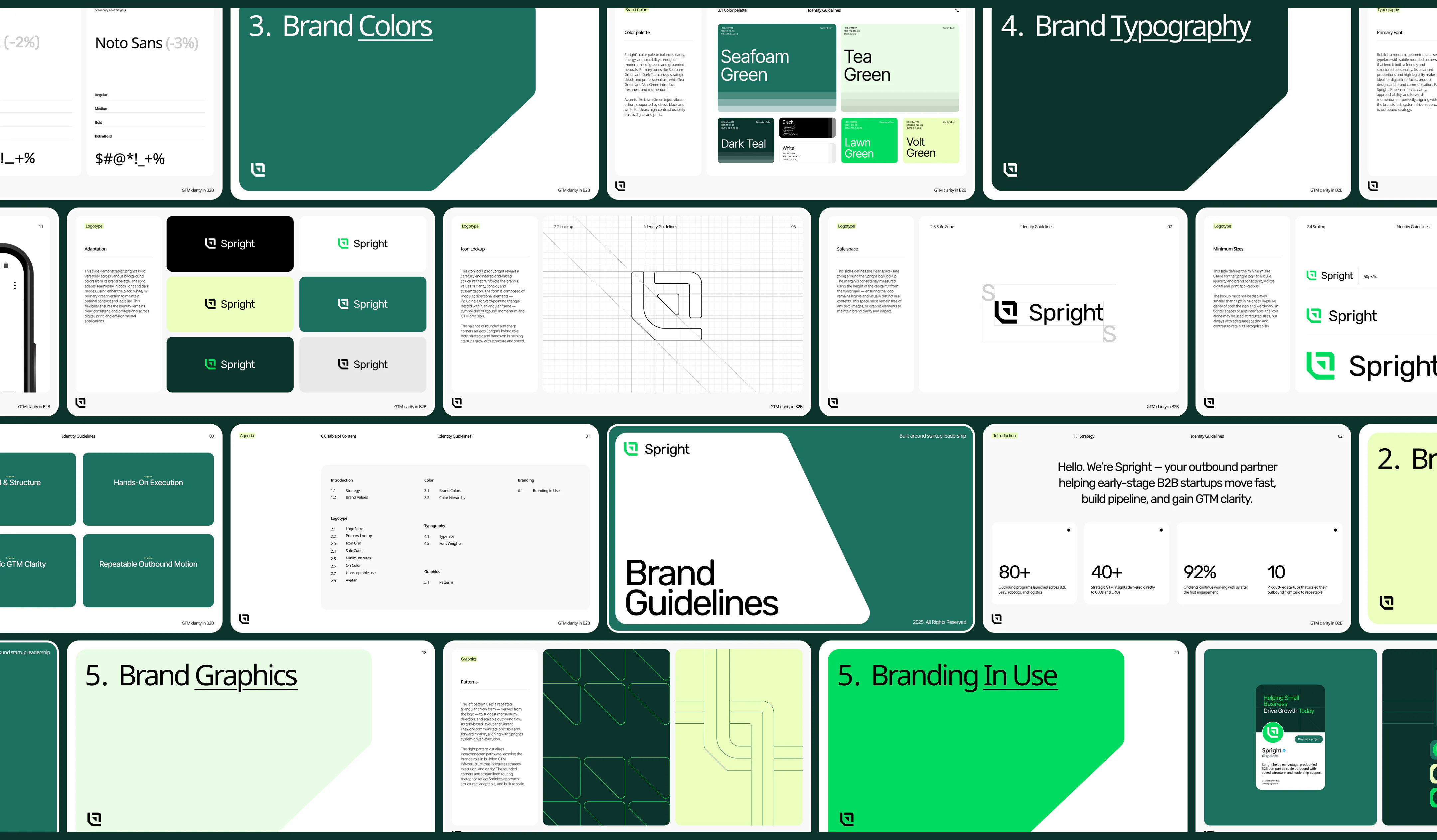
The first phase was entirely dedicated to research: a series of meetings with the CEO, interviews, surveys, and market analysis allowed us to shape the brand concept: its values, mission, story, and tone of voice. Once the message was clear, the next step was to write website content. Only then did the team move on to branding: the new logo and brand guidelines were built on the established positioning, not the other way around. This sequence proved effective: each subsequent stage had a solid foundation and required no rework.
DESIGN THAT REINFORCES THE MESSAGE
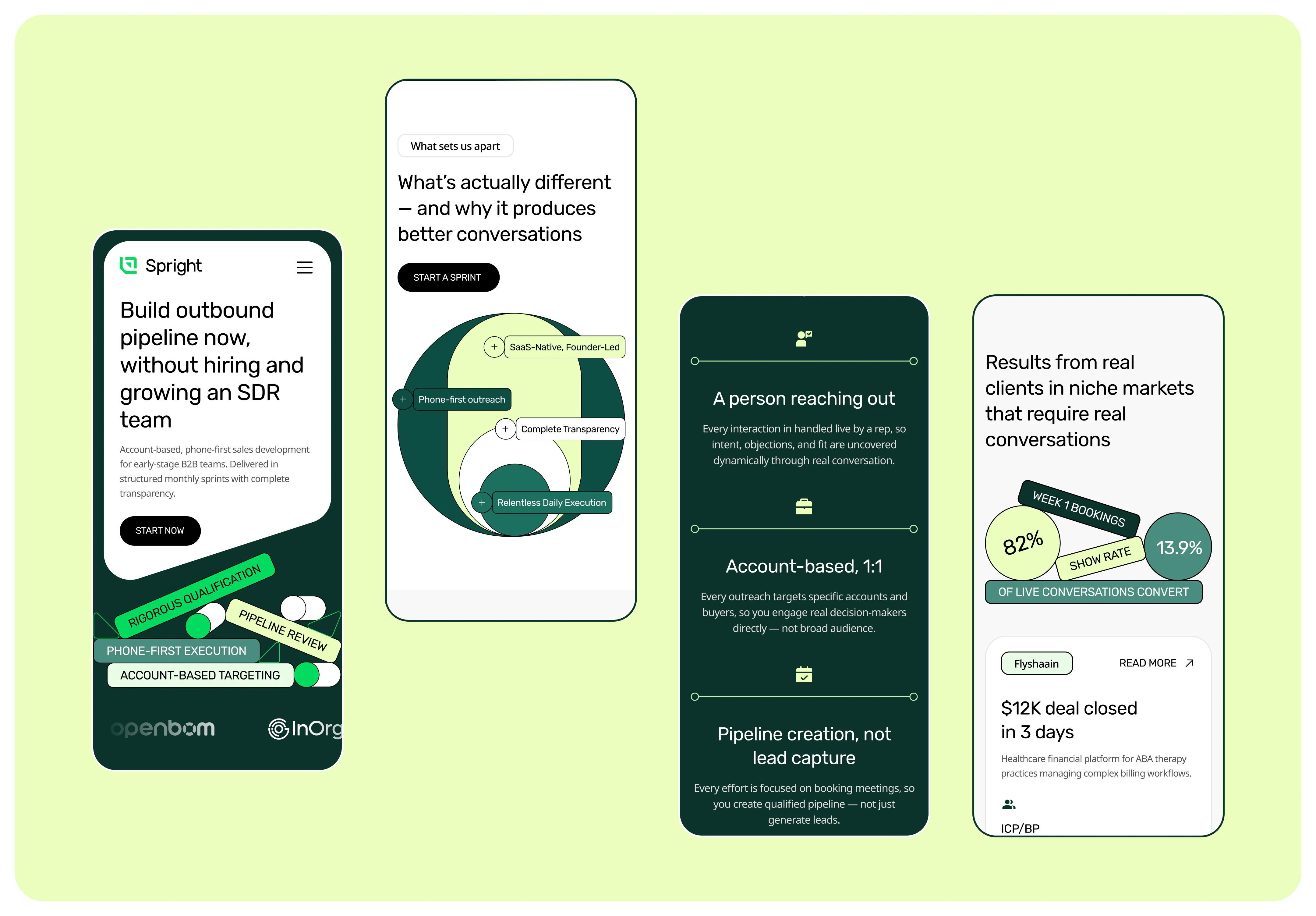
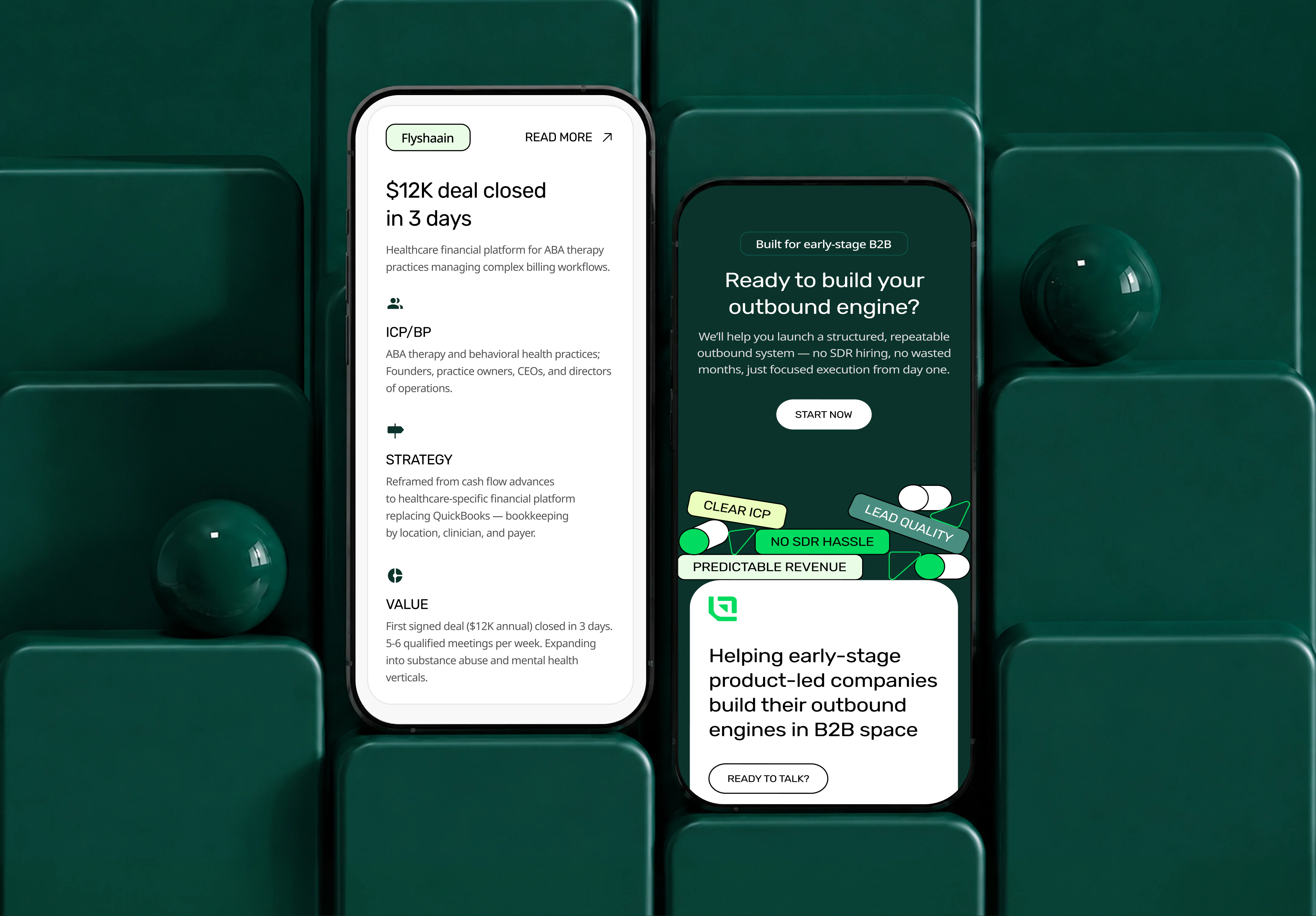
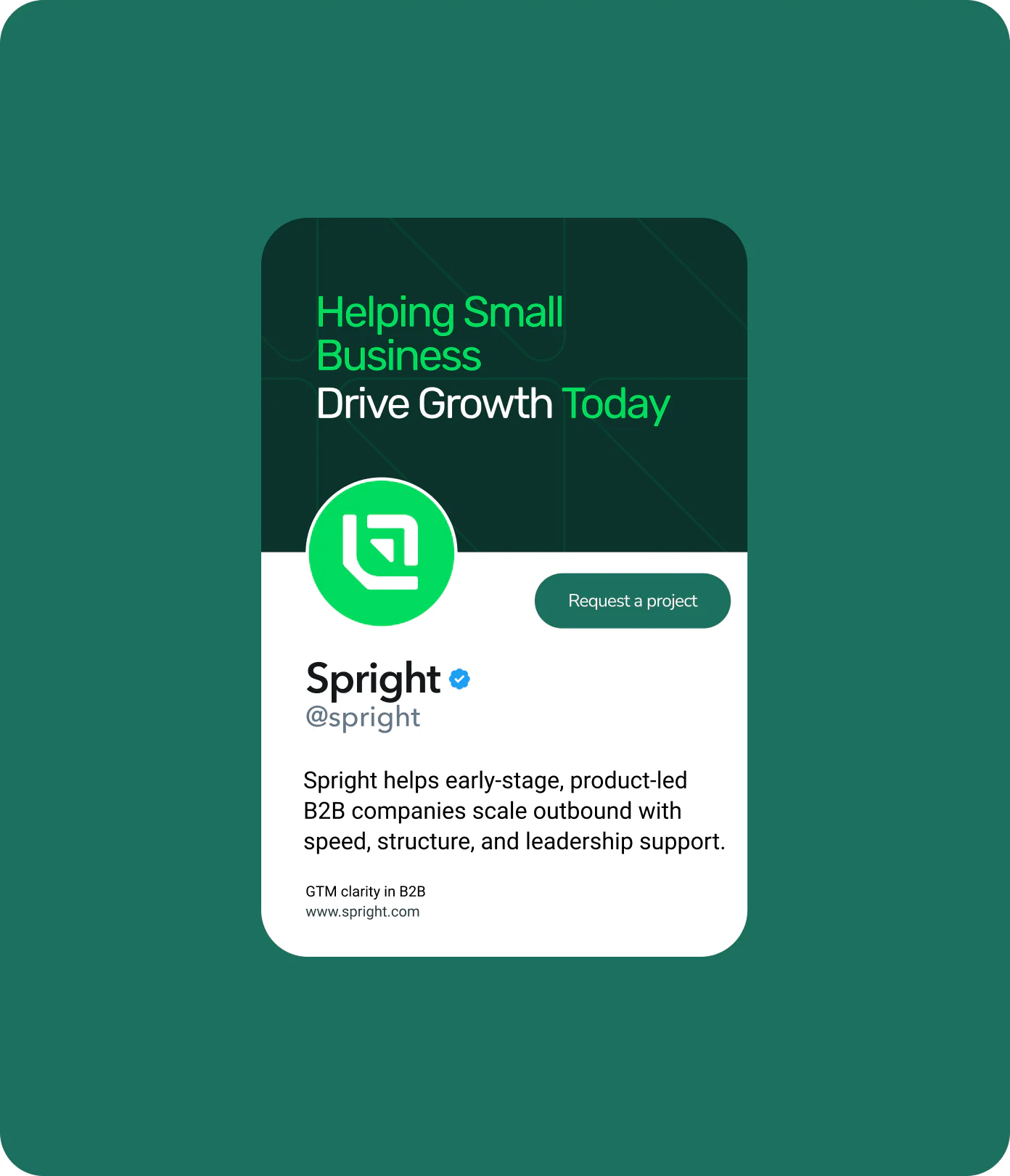
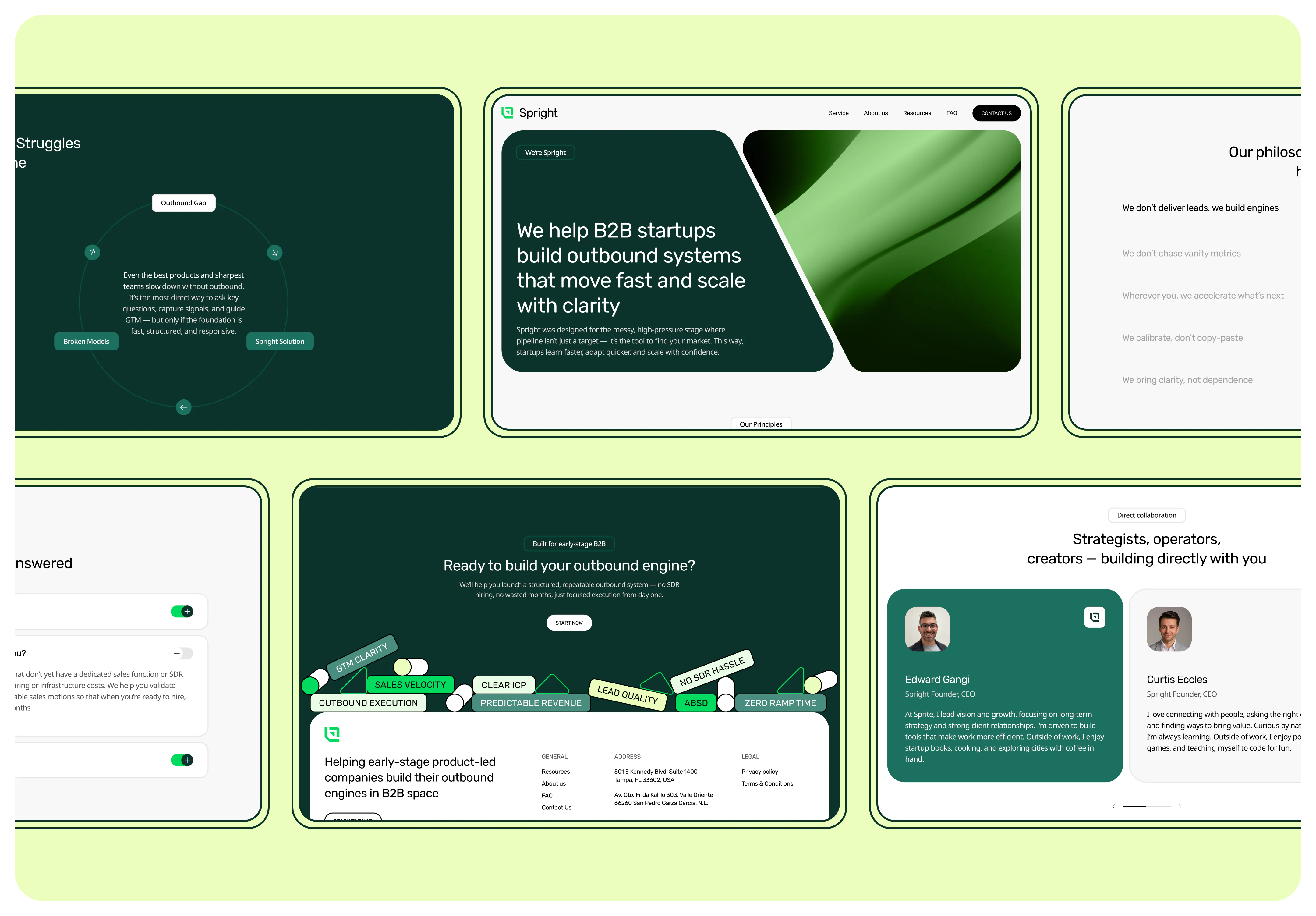
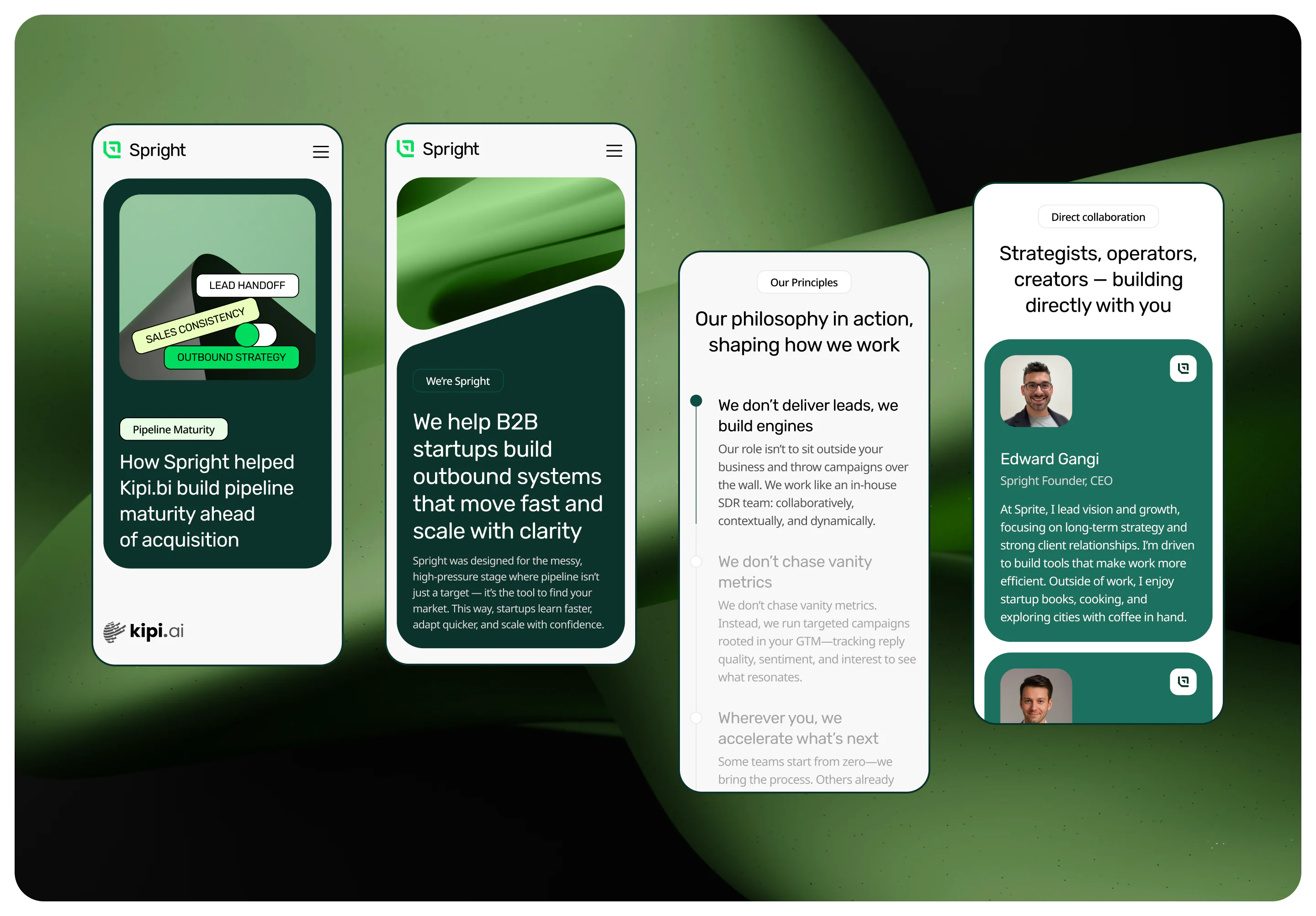
Spright’s visual identity is built around restraint and trust. The dark green palette, accented with light green, conveys an impression of stability, control, and maturity: exactly what a B2B audience needs when choosing a long-term partner. Large headlines like “Clear Ownership. Full Visibility.” sound like statements from a confident CEO rather than advertising slogans. There are almost no decorative elements: just text, simple shapes, lines, and cards, which give every word its own weight.
DETAILS THAT MAKE AN IMPACT
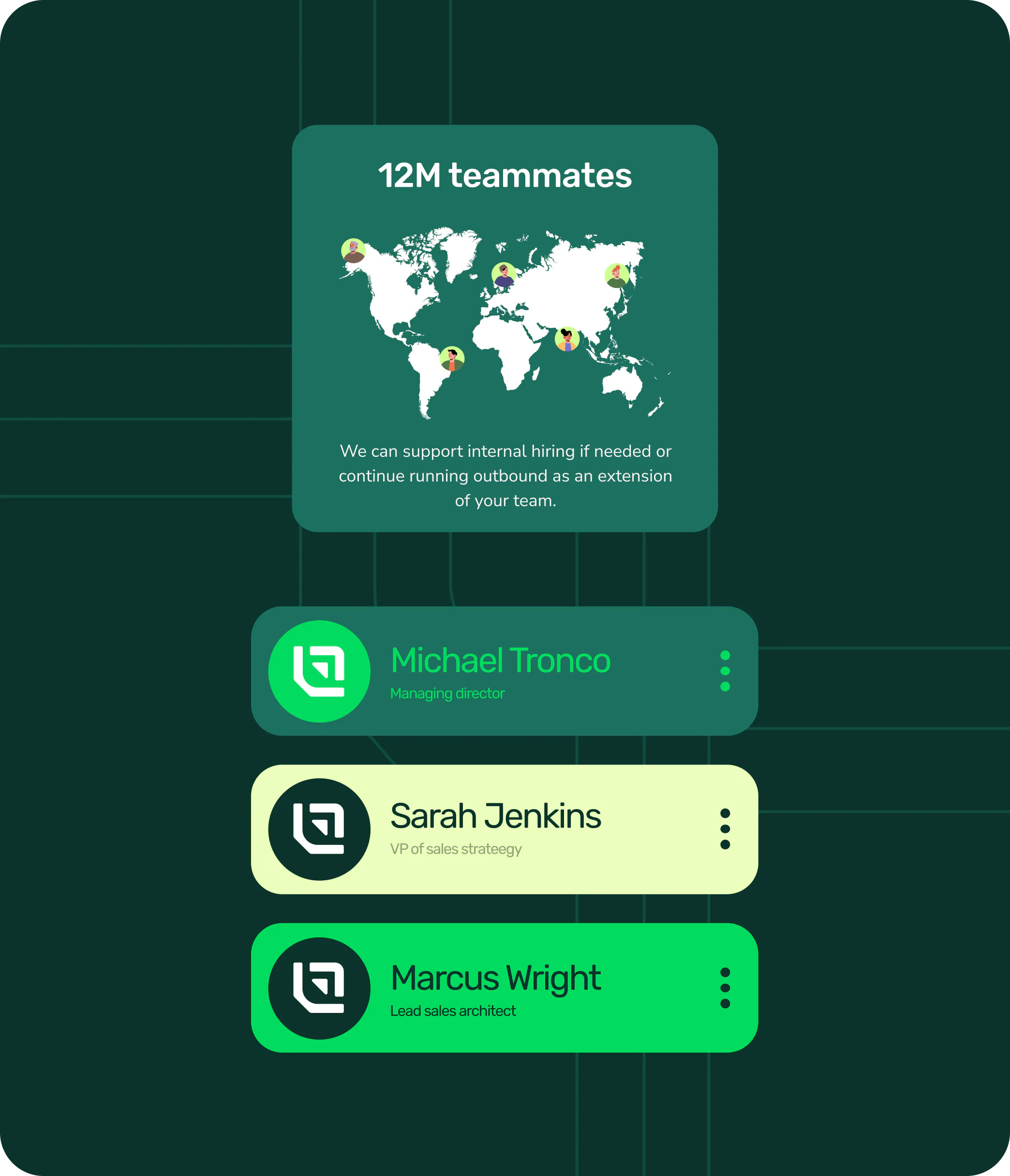
The typographic hierarchy is clearly divided into headings, labels, body text, and secondary text: the reader never gets lost in the structure. A slight tilt of the cards in key blocks adds a human touch to the strict grid and creates a sense of a real workflow. The page’s rhythm is maintained by alternating dark and light backgrounds, various block formats, and subtle animations that hold the reader’s attention without burdening them. The diagrams explaining the path from marketing to sales are understandable in three seconds: a deliberate UX decision. Each of these parts is inconspicuous on its own, but together they create an atmosphere that reflects the brand’s values: ownership, visibility, discipline, and process.
WHAT THE CLIENT RECEIVED
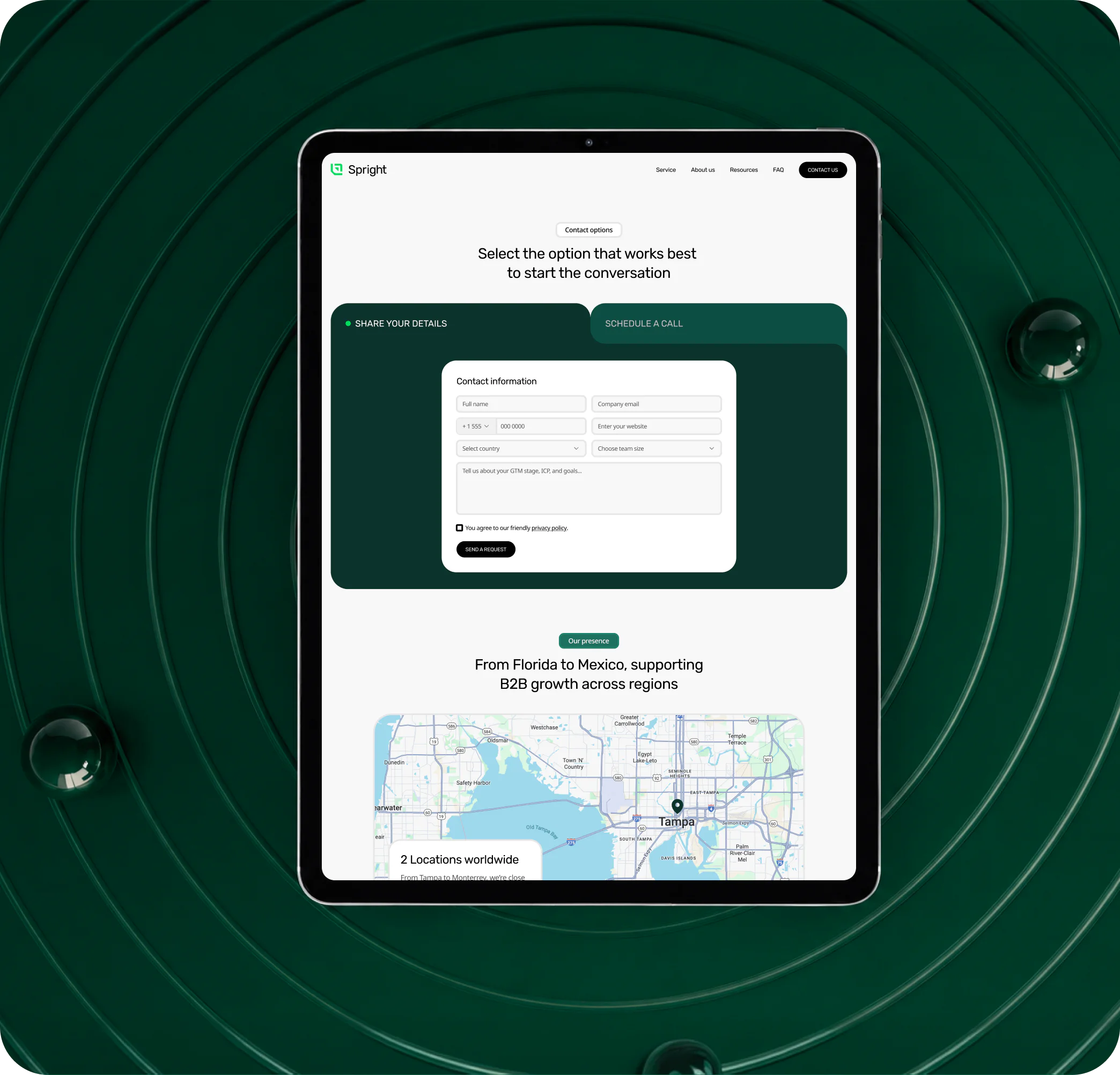
An integrated brand with clear positioning, ready to engage with the market: website content written based on real research, eliminating all possible boilerplate phrasing. A new logo and brand guide that reflect the company’s character. A website launched on spright.co with a design that aligns with the brand’s message at every level. The client left positive feedback on Clutch and signed a retainer agreement: our joint effort continues as the business grows.

WHAT OUR CLIENT SAYS
After launching Spright’s new brand and website, founder Ed Gangi shared his experience working with our team — from shaping the positioning and messaging to design, development, and launch.

Frequently Asked Questions
-
How do you build a brand strategy for a B2B startup?
We start with founder interviews, market research, competitor analysis, audience definition, and positioning. The result is a clear messaging framework that guides copywriting, visual identity, and website design.
-
How much does B2B startup branding and website design cost?
The cost depends on the scope, number of pages, research depth, branding requirements, and development complexity. A full project may include strategy, copywriting, brand identity, UI/UX design, and website development.
-
How long does it take to launch a new B2B brand and website?
A complete brand and website launch usually takes several months. The timeline depends on how much research, content, design, and custom development the project requires.
-
Should a startup develop its brand strategy before designing a website?
Yes. Clear positioning and messaging help avoid generic website copy, inconsistent visuals, and costly redesigns. Strategy gives the design team a clear foundation for every page and interaction.
-
What should a B2B startup website include?
A strong B2B website should explain the company’s offer, target audience, process, services, proof of expertise, and next step. It should also include clear calls to action, case studies, contact forms, and responsive layouts.