Modernizing a SaaS Logistics Platform Built on Eight Decades of Industry Experience
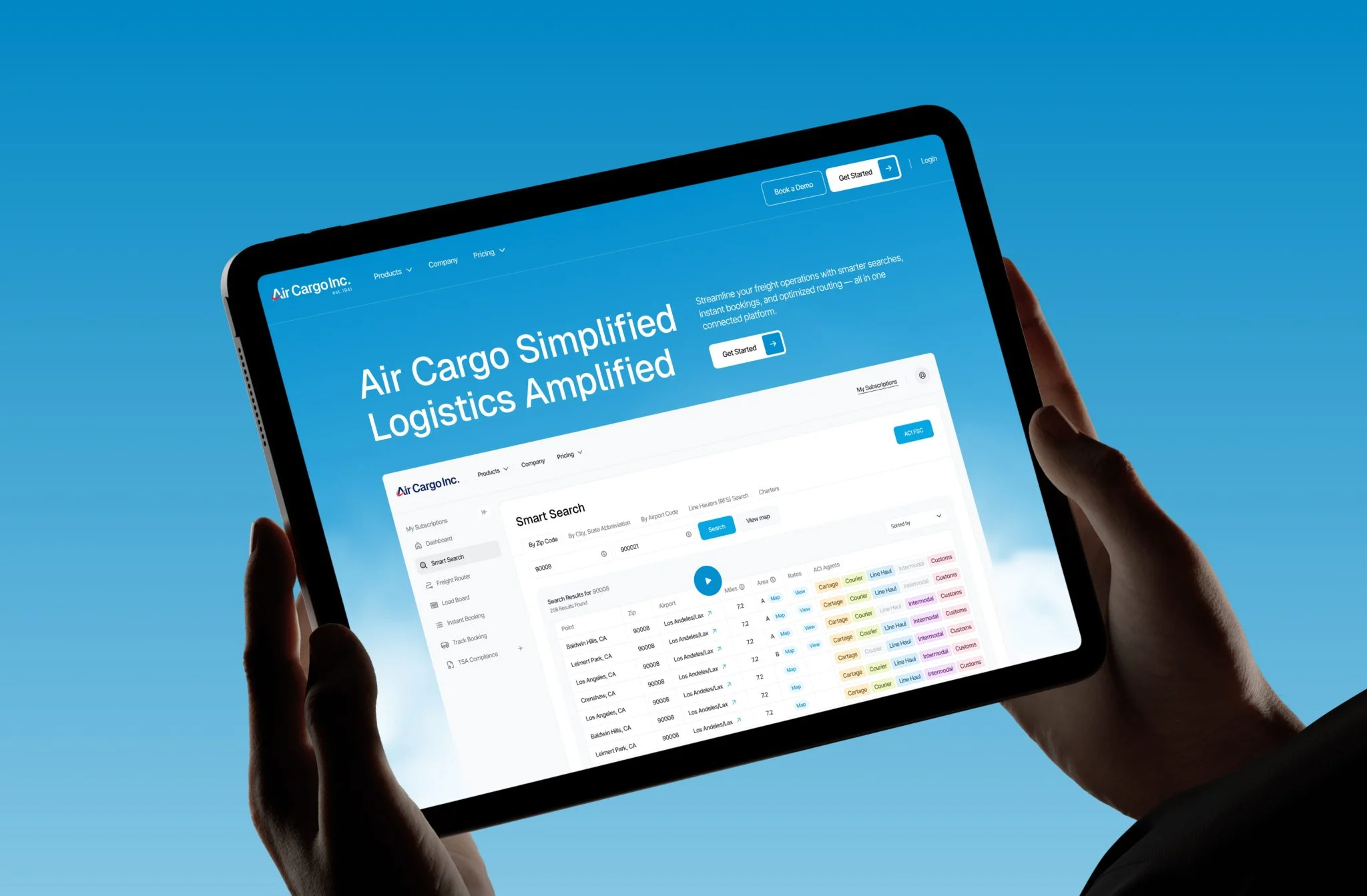
Air Cargo has been connecting skies and roads since the 1940s, but its digital experience no longer reflected the scale and complexity of the network. We redesigned both the website and the platform interface, aligning them into a cohesive digital experience built around clearer positioning and more intuitive workflows.
Client

Services we provide
Headquarters
USA
Industry
Logistics
Timelines
2.5 months
FROM LEGACY NETWORK
TO SOFTWARE PLATFORM
Air Cargo, Inc. is the oldest and largest network of local pickup-and-delivery cartage agents in North America. Since 1941, the company has connected shippers, brokers, and carriers across the continent.
Today, its operations are supported by a software platform with a large industry database at its core — enabling partners to connect, manage routes, and track shipments in real time.

WHERE LEGACY MET PRODUCT UX
Our work focused on two areas: the website and the product interface.
The existing site carried decades of history but lacked clear positioning as a software-driven platform. The product itself functioned reliably, yet its interface no longer matched modern SaaS expectations in terms of clarity and usability. We conducted a deep UX analysis and redesigned both experiences — clarifying the website’s value proposition and refining the platform interface to simplify workflows and navigation.

THE NEW MARK OF AIR CARGO
We began with a careful logo refinement: updating the color tone, adjusting typography, and simplifying legacy details to create a more consistent and scalable visual identity while preserving brand recognition.
Subtle motion-inspired cues were introduced to reflect the company’s aviation roots, integrated into a cleaner and more structured visual system. The palette and typography were refined to support digital readability and consistency across touchpoints.

STRUCTURING THE WEBSITE AROUND PRODUCT VALUE
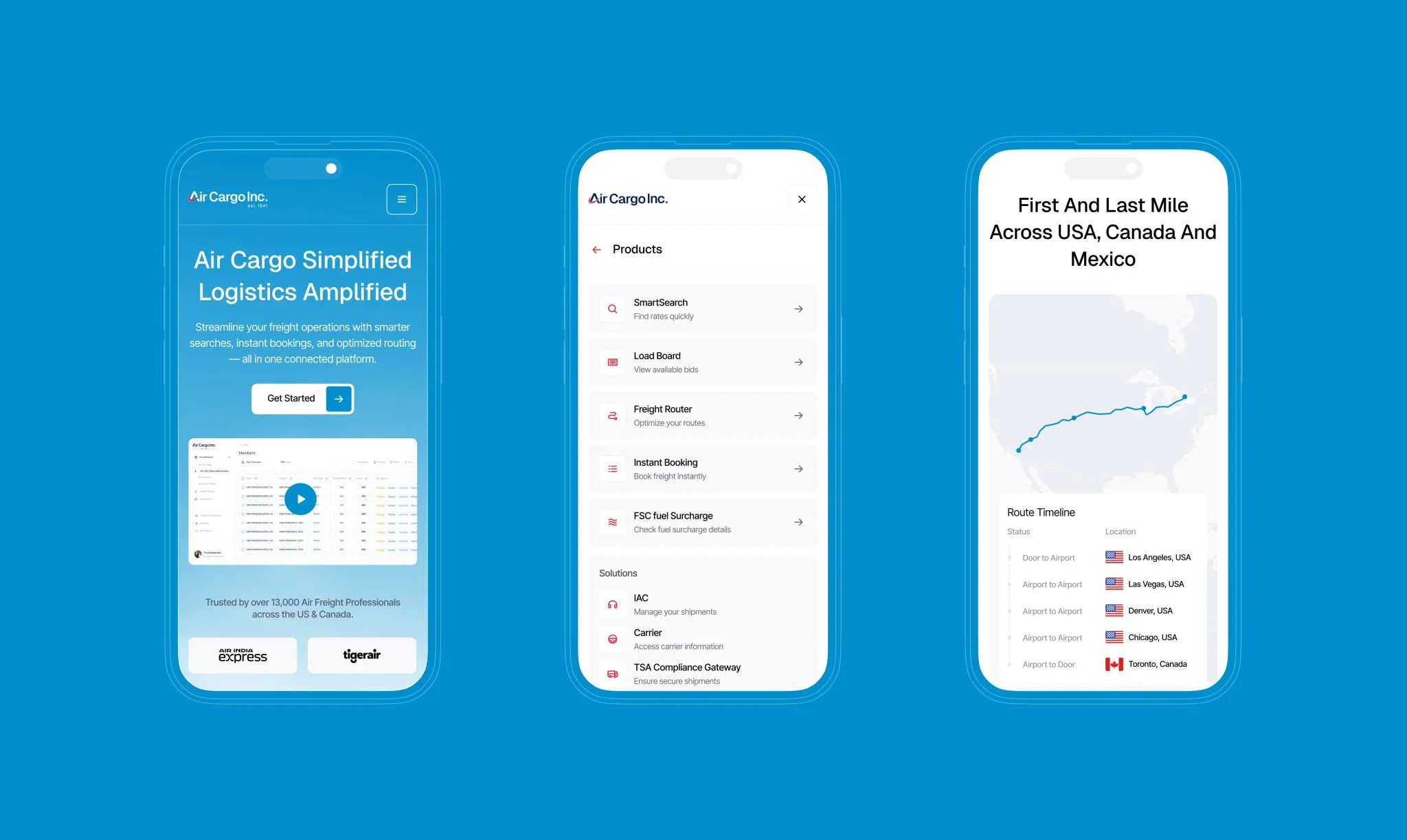
The website was redesigned around clarity and product logic rather than decorative storytelling.
Information architecture was reorganized to guide users through key product components, while integrations and listing capabilities were presented as structured value propositions.
Every design decision aimed to support clearer positioning, easier onboarding understanding, and stronger alignment between the brand and the product offering.
REDESIGNING THE PRODUCT INTERFACE
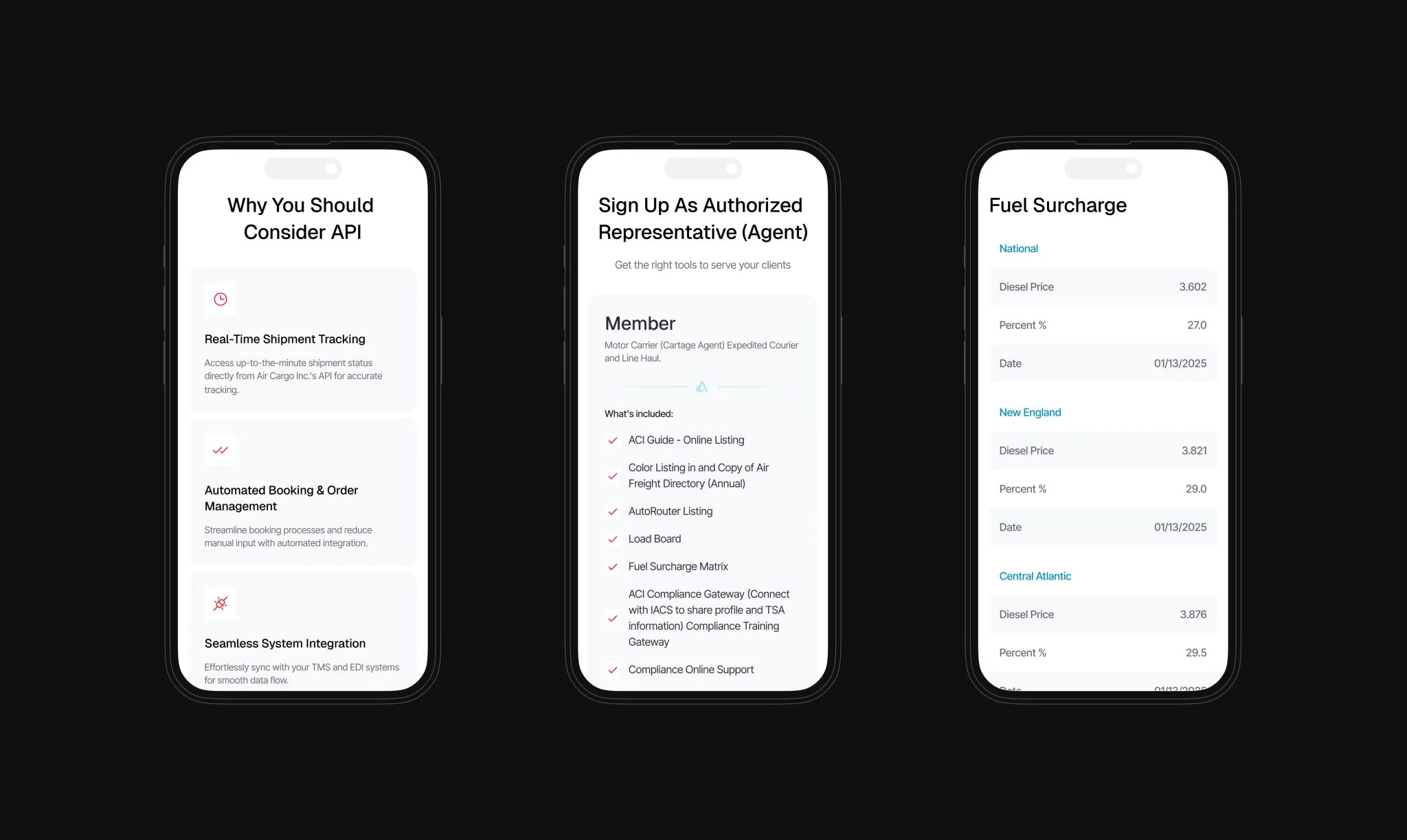
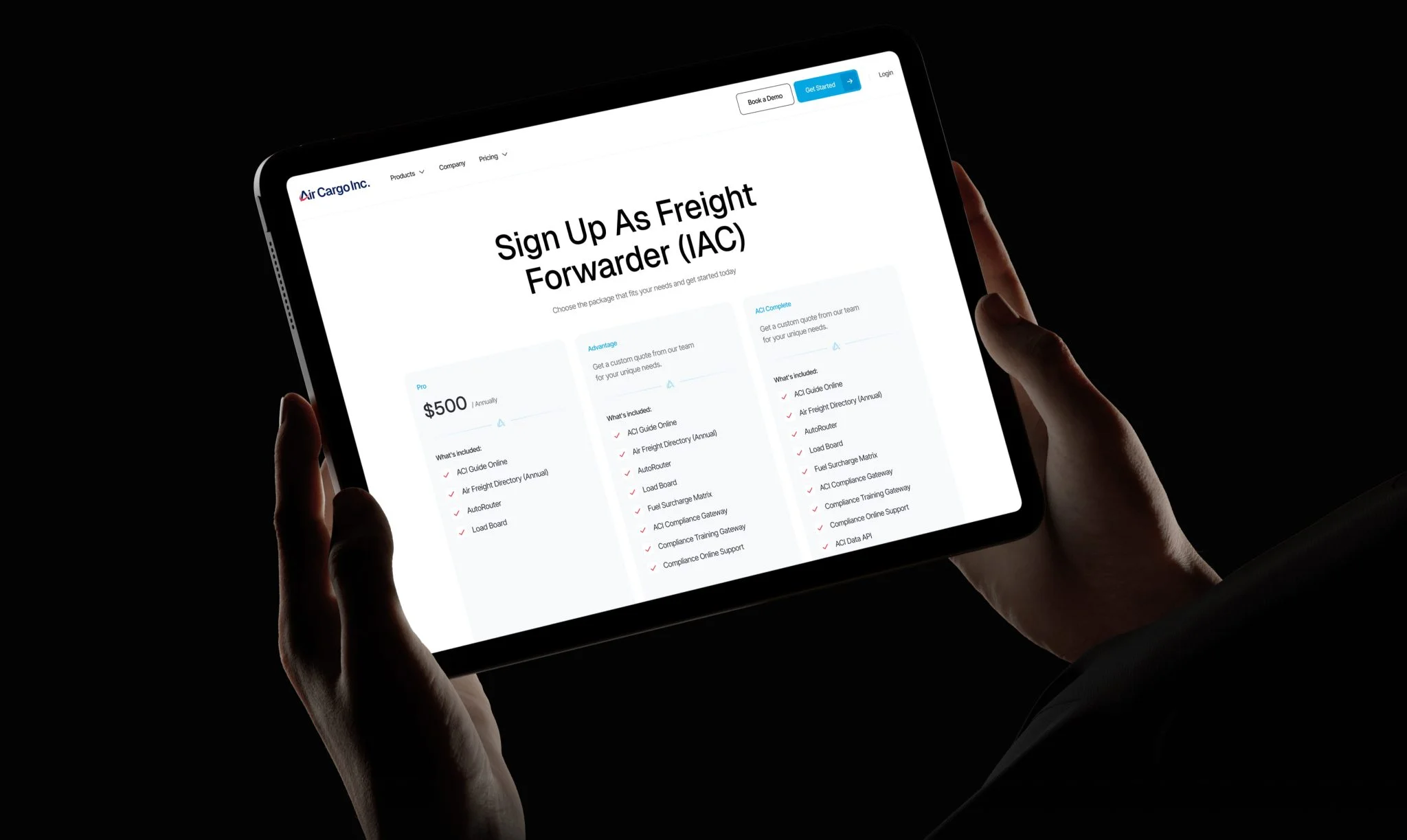
We made logging in smoother and search more direct, with cleaner tabs that keep key actions easy to access. Subtle hover states provide context without interrupting the flow, while simplified forms make data entry quicker and less tedious. Even the tables were refined — responsive, sortable, and built for users who work with large data sets every day.
BEYOND VISUAL REDESIGN
How the product grew simpler, faster, and smarter
The SaaS platform redesign went far beyond visuals. We started with research, watching how real users moved, clicked, hesitated, and sometimes gave up. From there, we looked outward, auditing competitors and benchmarking against industry best practices to define what “modern” should look and feel like. Next came structure, validation, and first UI concepts that got tested on real users.
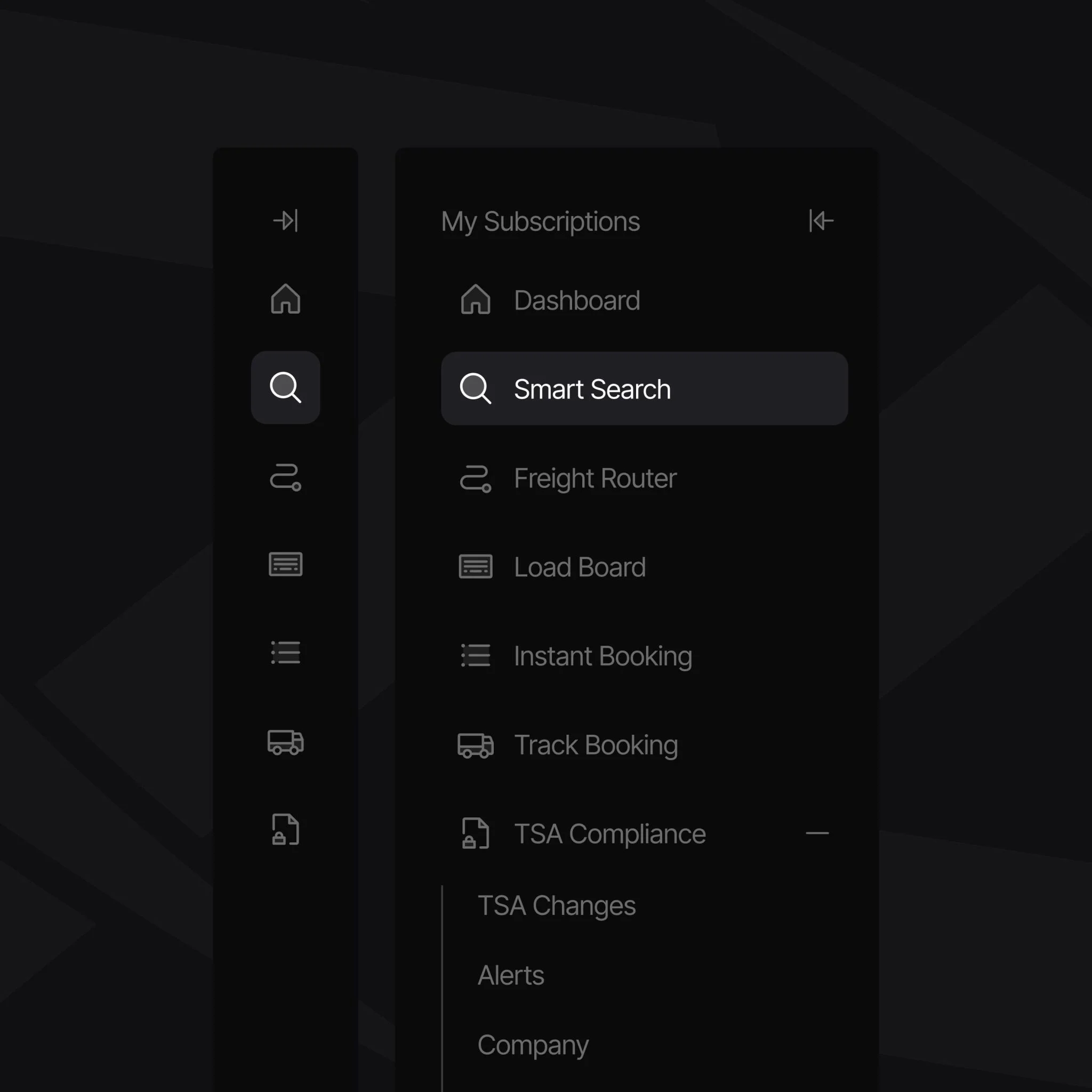
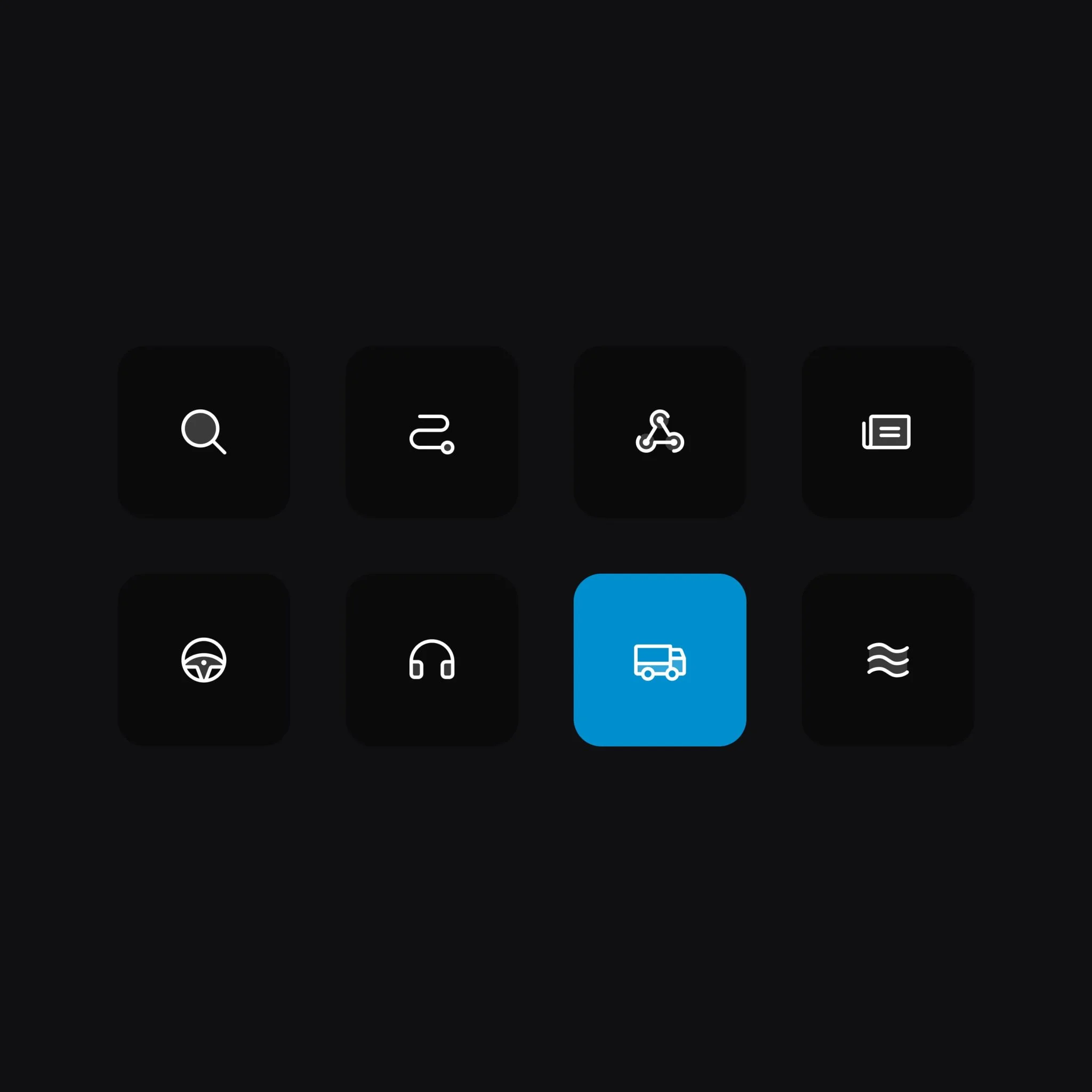
Design That Delivers
The website structure was redesigned to support distinct user goals instead of uniform, text-heavy pages. Navigation became more direct, CTAs clearer, and interactive sections replaced static blocks to guide users more effectively through the platform’s value.
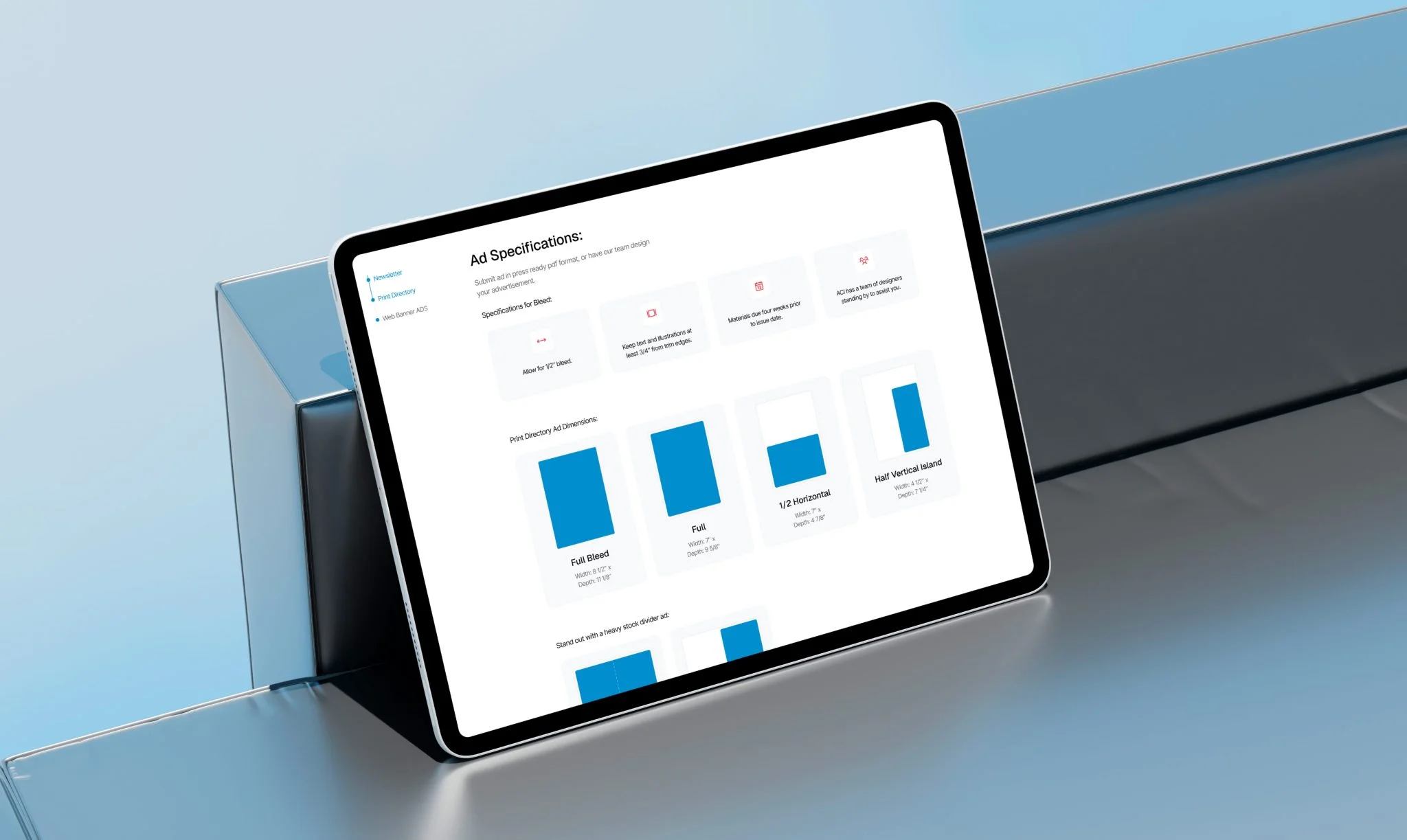
On the product side…
the sign-up flow was reduced from ten to six steps within the proposed UX model, search was reorganized into focused tabs, and data views were simplified for clarity.
These changes improved usability and alignment between the brand and the product experience.